Our ears are one of the most sensitive and overlooked parts of the body. We often remember to protect our eyes or skin — but forget that noise, water, and even diet can quietly impact hearing over time.
The good news? Small, consistent daily habits can protect your ears, reduce the risk of tinnitus, and keep your hearing sharp for years to come. Let’s explore six simple ways to care for your ears starting today.
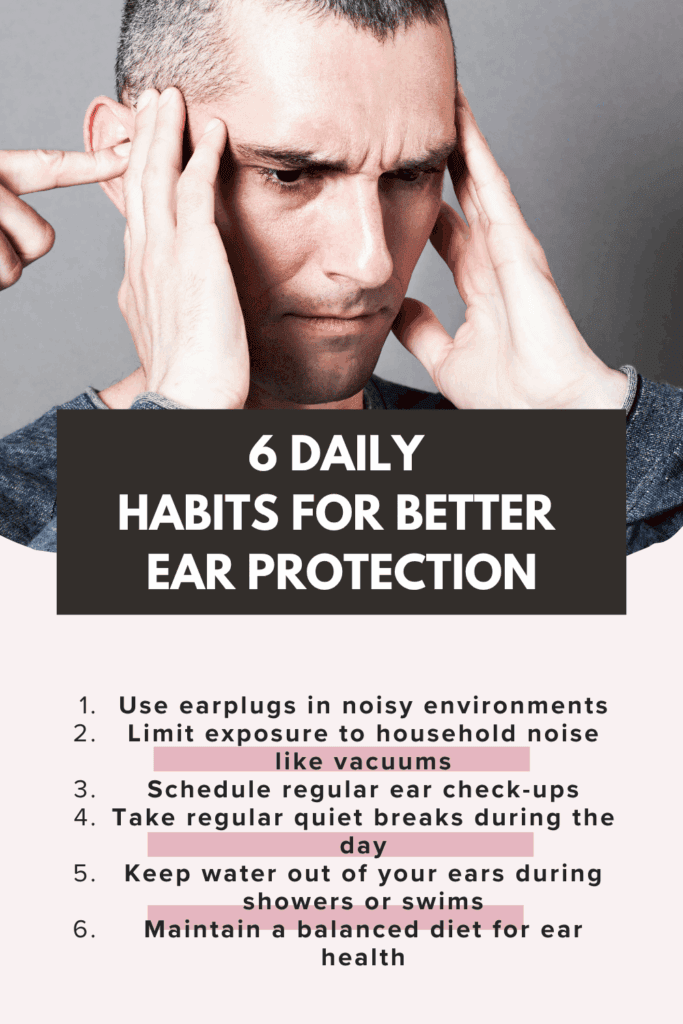
🎧 1. Use Earplugs in Noisy Environments
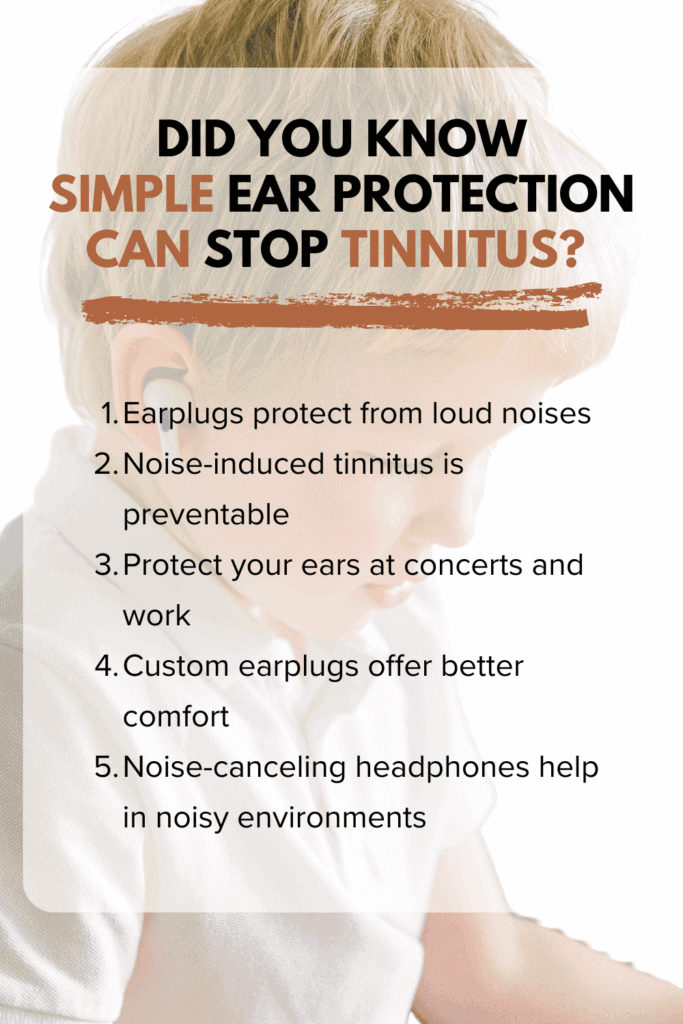
Whether you’re attending a concert, working near machinery, or mowing the lawn, loud noise can damage delicate inner ear cells. This damage is often permanent and accumulates over time, leading to hearing loss or ringing in the ears.
Better habit: Always carry a pair of reusable silicone earplugs or noise-canceling headphones. They reduce sound intensity while still allowing you to hear clearly — a small step that can make a big difference in your long-term hearing.
🏠 2. Limit Exposure to Household Noise
Everyday sounds — like hair dryers, vacuum cleaners, and blenders — can exceed safe decibel levels when used frequently. Over time, these noises can cause subtle ear fatigue, especially if you’re sensitive to sound.
Better habit: Lower the volume whenever possible, and take short breaks after using noisy appliances. Using quieter or energy-efficient versions of household devices can also help protect your ears.
🩺 3. Schedule Regular Ear Check-Ups
Many people only visit an audiologist after they notice a problem — but by then, damage may already be done. Regular ear exams help detect wax buildup, infections, or early signs of hearing decline before they become serious.
Better habit: Schedule a hearing test at least once every 1–2 years, especially if you’re frequently exposed to loud environments or experience ringing (tinnitus). Prevention is always easier than treatment.
🌿 4. Take Regular Quiet Breaks During the Day
Your ears need rest just like your muscles and mind do. Constant background noise — even mild — keeps your auditory system active, leading to fatigue and reduced sound sensitivity.
Better habit: Create short “quiet moments” throughout the day. Turn off devices, step outside, or simply sit in silence for 10–15 minutes. These breaks allow your auditory nerves to recover and improve your overall sound tolerance.
💦 5. Keep Water Out During Showers or Swimming
Water trapped in the ear canal can cause infections or irritation known as swimmer’s ear. This often happens after swimming, bathing, or showering without drying ears properly.
Better habit: Tilt your head after getting wet to let excess water drain out. You can also use specialized earplugs or a towel to dry gently. Avoid inserting cotton swabs — they can push wax deeper and cause damage.
🥗 6. Maintain a Balanced Diet for Ear Health
Nutrition plays a surprising role in hearing. Foods rich in vitamin B12, zinc, magnesium, and omega-3 fatty acids help protect the inner ear from oxidative stress and inflammation — both major contributors to hearing decline.
Better habit: Include leafy greens, fish, nuts, citrus fruits, and whole grains in your diet. Stay hydrated and avoid excessive salt or caffeine, which can worsen ear fluid imbalance in some people.
🌼 Bonus Tip: Be Mindful of Earphone Use
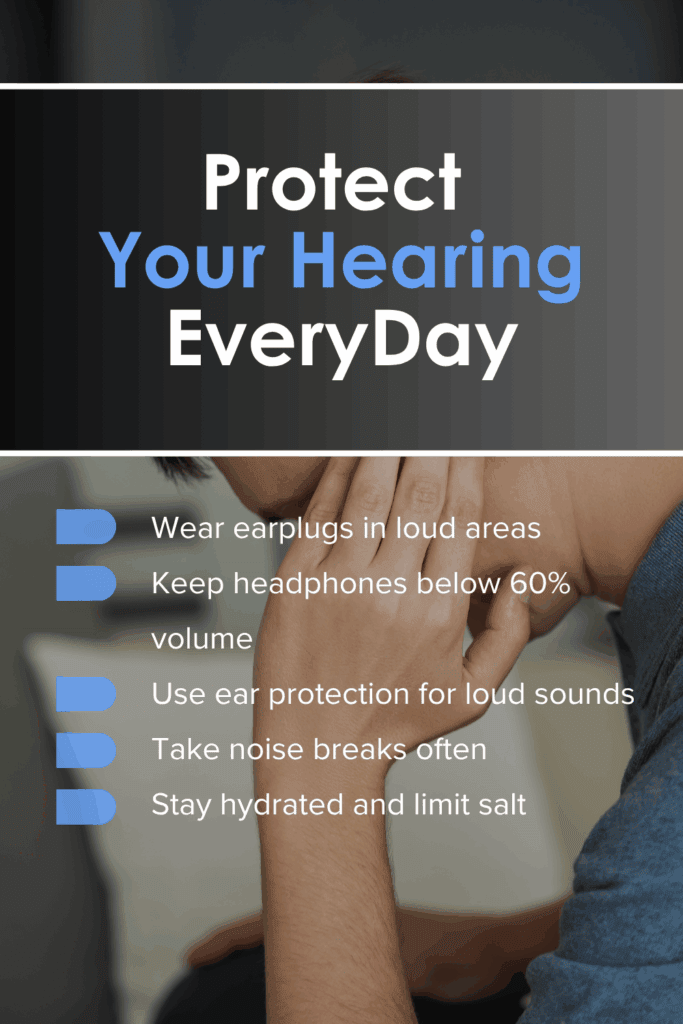
Listening to music too loudly or for too long through earbuds is one of the leading causes of noise-induced hearing loss. Follow the 60/60 rule — keep your volume below 60% and listen for no more than 60 minutes at a time.
Your hearing should never feel strained or muffled afterward — if it does, your ears need rest.
💭 Final Thoughts
Healthy hearing doesn’t just happen — it’s built through small protective habits. By combining quiet breaks, ear-friendly hygiene, and sound awareness, you can significantly reduce your risk of hearing loss and tinnitus.
Your ears deserve care every day — not just when problems appear. Protect them now, and enjoy a lifetime of clearer, calmer sound. 🎧