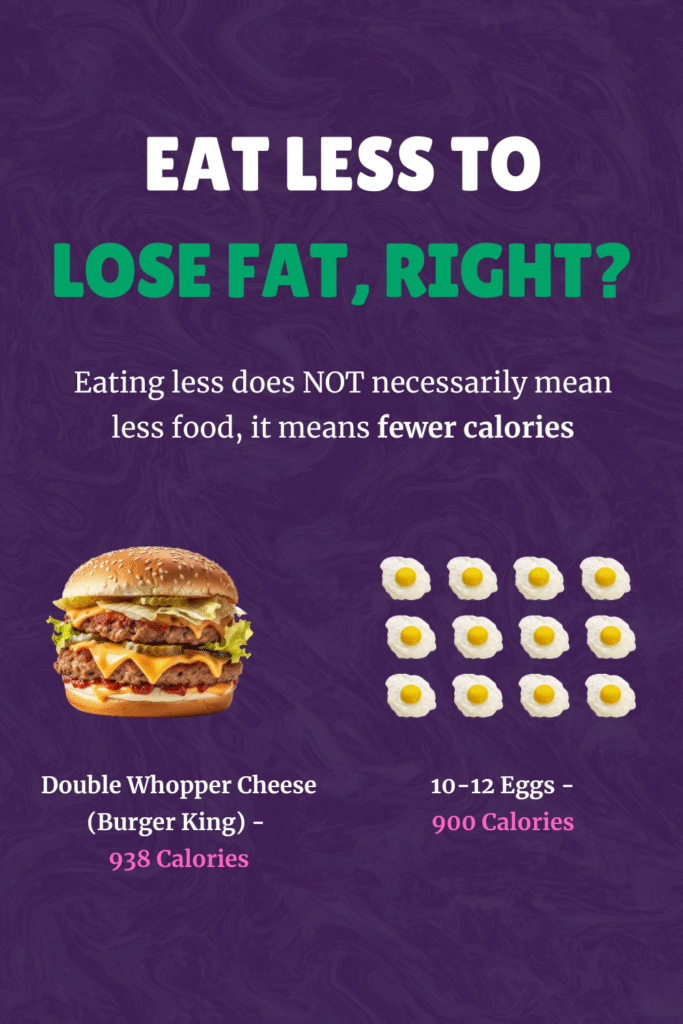
If you’ve ever tried to lose weight, you’ve probably heard the phrase “just eat less.” But here’s the thing: eating less doesn’t always mean losing fat. What actually matters is eating fewer calories, not necessarily shrinking the amount of food on your plate. That’s the message behind the Pinterest pin we’re expanding today — a powerful reminder that a double cheeseburger can pack the same calories as a plate full of whole, nutritious foods. In this post, you’ll learn how calorie density works and how choosing smarter foods can make weight loss feel easier and more satisfying.
1. Eating Less Doesn’t Mean Eating Less Food
Most people assume weight loss is about eating tiny portions or starving through the day. But the truth? You can eat a lot of food and still lose weight — as long as it’s lower in calories. That’s the difference between calories and volume.
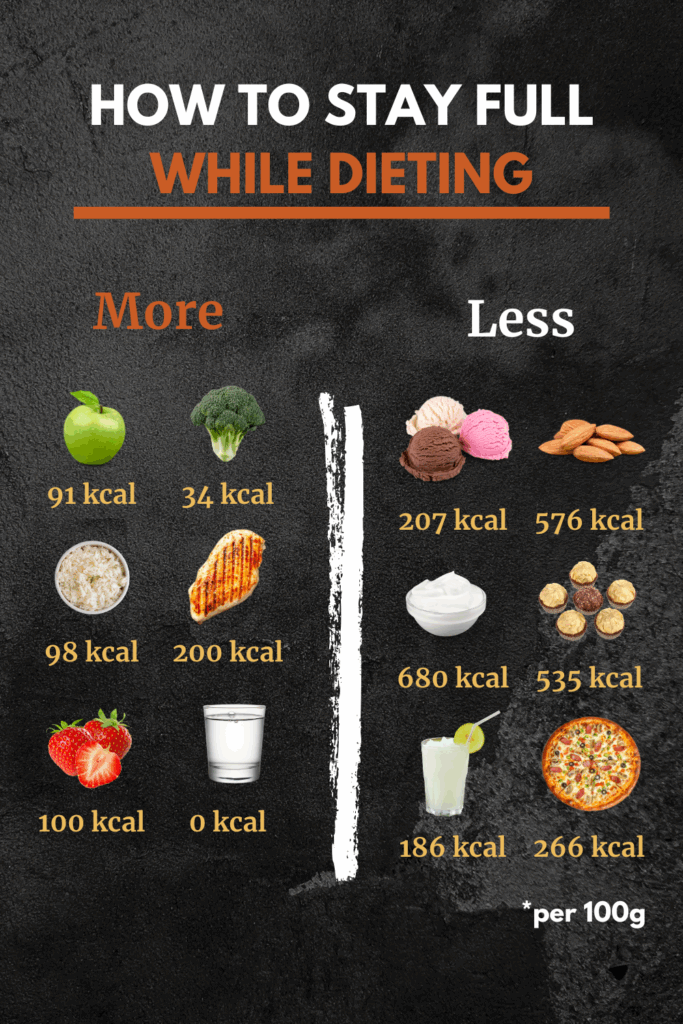
Foods like vegetables, fruit, eggs, and whole grains take up more space in your stomach, giving you a fuller, more satisfied feeling without blowing through your daily calorie goals. On the other hand, highly processed foods pack a ton of calories into small portions, leaving you hungry again shortly after.
2. The Visual Example: Burger vs. Eggs (Same Calories!)
The pin highlights a simple but eye-opening comparison:
-
Double Whopper Cheese (Burger King): 938 calories
-
10–12 eggs: ~900 calories
On the surface, the burger looks like a reasonable meal. But calorie-wise, it’s equivalent to a mountain of eggs.
Now, you wouldn’t eat 10–12 eggs in one sitting — and that’s exactly the point. Foods with lower calorie density naturally regulate your appetite. You get full before you accidentally overeat. And whole foods provide protein, vitamins, and minerals that support energy, metabolism, and weight loss.
This example isn’t about saying “never eat a burger.” It’s about helping you visualize how different foods compare so you can make choices that align with your goals.
3. Why Low-Calorie-Dense Foods Make Weight Loss Easier
Here’s what happens when you choose lower-calorie foods:
You stay full longer
Fiber-rich foods and protein support appetite control.
You eat larger portions without guilt
Imagine getting to eat more food — not less — while still losing weight.
You avoid calorie traps
Fast food, pastries, sugary drinks, and fried foods sneak in calories quickly.
You develop better cravings
When your meals are more balanced, you naturally crave less junk.
4. Practical Ways to Apply This to Your Day
You don’t need to count every calorie to use this concept. Instead, aim for swaps that reduce calories without reducing satisfaction. For example:
-
Swap high-calorie fast food for home-cooked meals
-
Choose snacks like yogurt, fruit, or popcorn instead of chips
-
Build meals with vegetables as the largest portion
-
Use protein (eggs, chicken, Greek yogurt) to stay satisfied longer
-
Drink water before reaching for more food
Weight loss becomes much easier when you focus on calorie quality instead of strict restriction.
5. A Simple Rule: Eat More of the Foods That Fill You Up
Foods that are high in water, fiber, and protein help you feel full while naturally helping you stay within a calorie deficit.
Think:
-
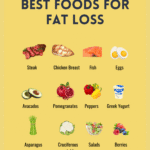
Fruits
-
Veggies
-
Lean proteins
-
Whole grains
-
Legumes
The more you fill your plate with whole, nourishing ingredients, the less room there is for calorie-heavy foods that slow progress.
Final Thoughts
Losing fat doesn’t mean starving yourself or cutting your favorite foods — it simply means choosing foods that give you the most volume and nutrition for the least amount of calories. As the pin shows, a single burger can equal the calories of a dozen eggs, yet only one of those options leaves you full for hours. Once you understand calorie density, weight loss becomes far more intuitive. Save this post for later, share it with someone who needs it, and start making simple food swaps that move you closer to your goals.