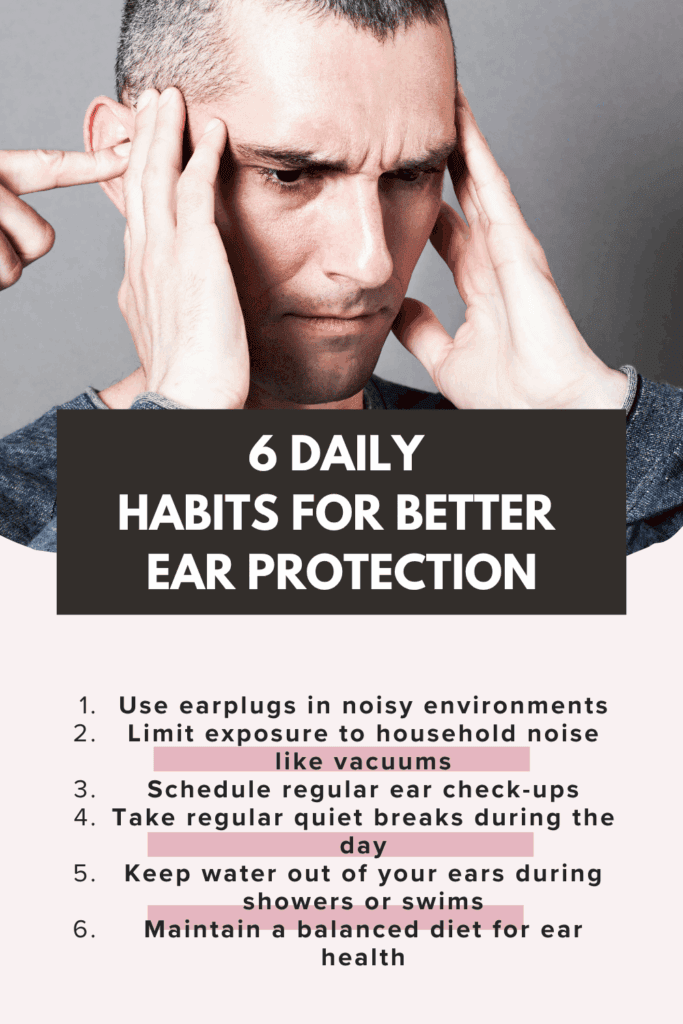
We rely on our hearing every single day — from enjoying music to staying aware of our surroundings. But most people don’t realize how small, daily habits can quietly damage their ears over time. Whether it’s blasting music through earbuds or ignoring a minor ringing sound, these actions can have long-term effects.
In this post, you’ll discover five hearing habits you should stop right now to protect your ears, prevent tinnitus, and maintain healthy hearing for years to come.
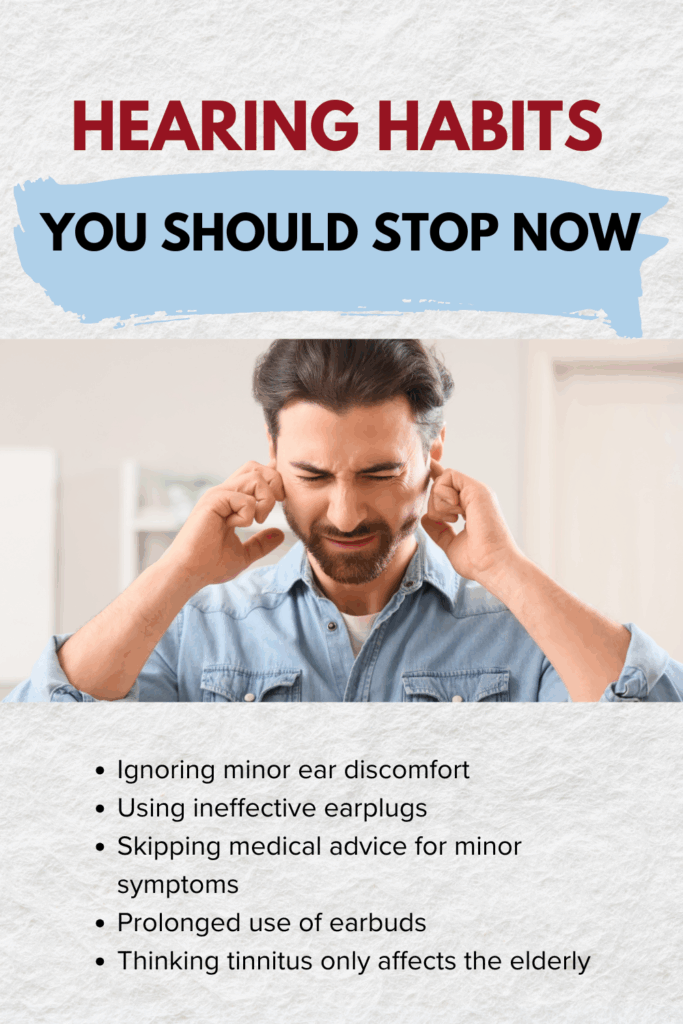
Ignoring Minor Ear Discomfort
That slight pressure, itching, or muffled feeling might not seem serious, but it’s your body’s way of signaling a problem. Ignoring early ear discomfort can allow infections, wax buildup, or eardrum strain to worsen.
Instead, treat even small symptoms as early warnings. Keep your ears clean and dry, and if discomfort persists for more than a day or two, seek professional advice. Early care can prevent bigger issues later on.
Using Ineffective or Low-Quality Earplugs
Earplugs are great for protecting your ears — but only when used correctly. Cheap or poorly fitting earplugs can actually trap bacteria or fail to block harmful noise levels effectively.
Invest in high-quality, reusable earplugs that fit comfortably and provide proper noise reduction. They’re perfect for concerts, travel, or sleeping near noise — keeping your hearing protected without muting life’s enjoyable sounds.
Skipping Medical Advice for Minor Symptoms
It’s easy to ignore occasional ringing, popping, or slight dizziness, but those might be signs of early tinnitus or nerve-related hearing issues.
Scheduling a quick hearing checkup once a year — just like an eye or dental exam — can make all the difference. Early detection helps you protect your ears before minor issues turn into long-term damage.
Prolonged Use of Earbuds
Earbuds are convenient, but constant use, especially at high volumes, can harm the delicate cells inside your ears. Over time, this leads to hearing fatigue, distortion, or ringing sounds.
Follow the 60/60 rule — listen at no more than 60% volume for up to 60 minutes, then give your ears a break. Switching to over-ear headphones occasionally can also reduce strain.
Thinking Tinnitus Only Affects the Elderly
Many people believe tinnitus — the ringing or buzzing sound in the ears — only affects older adults, but that’s not true. Younger people are increasingly developing tinnitus due to noise exposure, stress, and poor ear care habits.
If you notice a constant hum or buzz, don’t ignore it. With stress management, healthy listening habits, and lifestyle improvements, tinnitus can often be managed naturally and effectively.
Building Better Hearing Habits
Healthy hearing habits don’t require drastic changes — just mindful ones. Stay hydrated, avoid loud noise exposure, use proper ear protection, and practice stress relief.
Taking small steps today ensures your ears stay strong and sound for years to come.
💚 Conclusion
Protecting your ears is one of the best health investments you can make. By letting go of these common habits, you’re safeguarding your hearing and improving your quality of life.
👉 Save this post for later or share it with someone who could use a hearing check reminder!