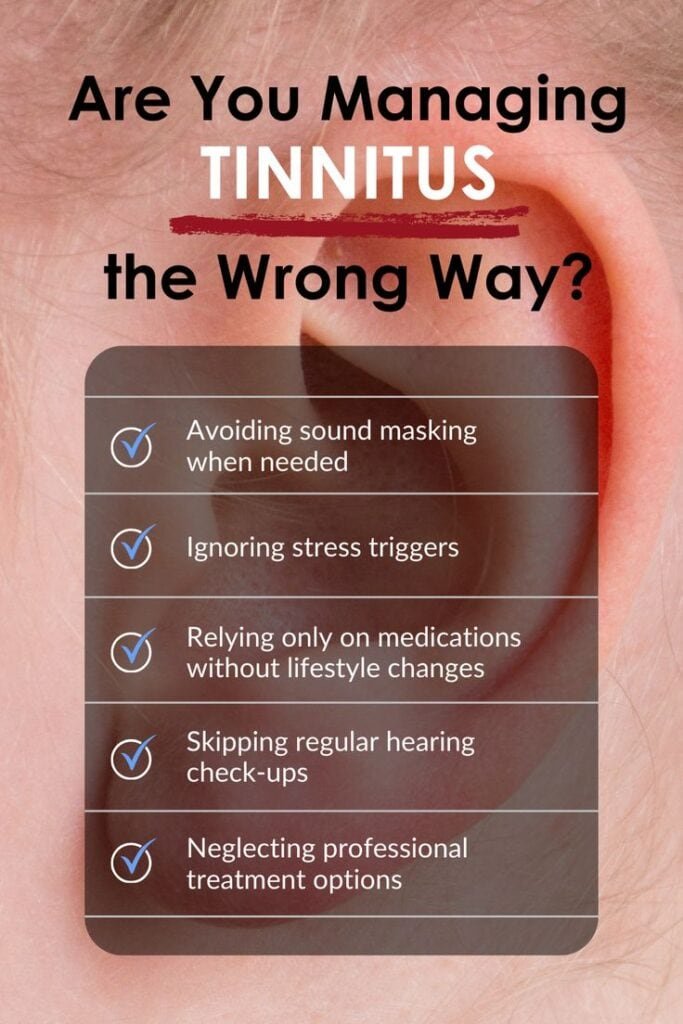
If you’ve ever noticed your tinnitus (that persistent ringing, buzzing, or hissing sound in the ears) getting louder when you’re anxious or tense, it’s not your imagination. Stress and tinnitus are deeply connected — and understanding this link can help you regain a sense of calm and control.
In this post, we’ll explore how stress affects tinnitus, what happens inside your body during stressful moments, and how to manage both naturally.
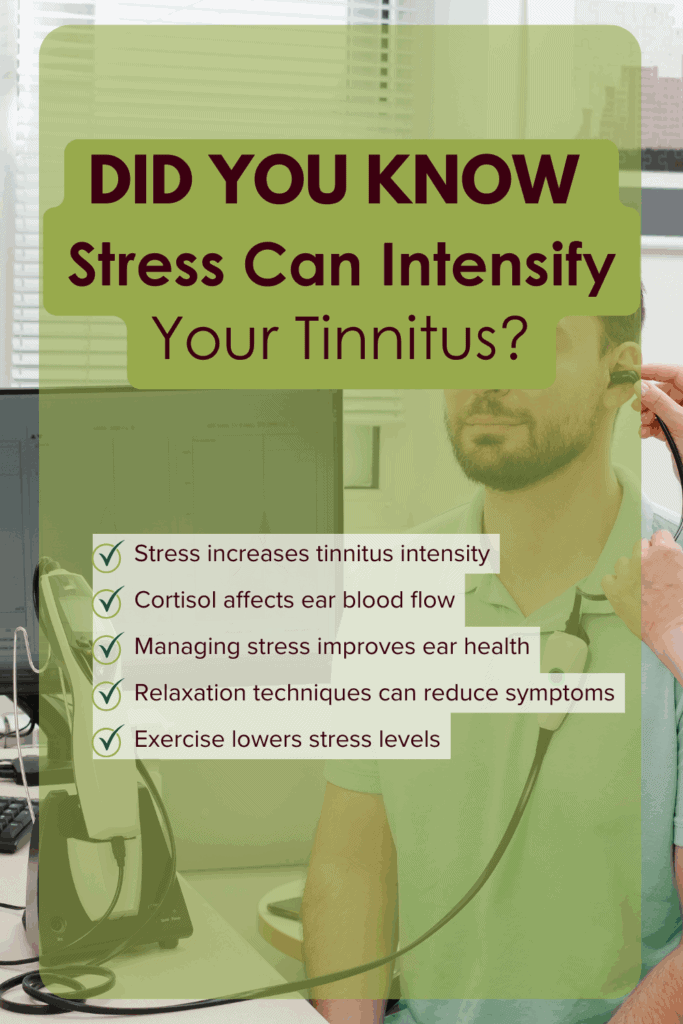
🧠 1. Stress Increases Tinnitus Intensity
When you’re under stress, your body releases cortisol — the primary stress hormone. This triggers your fight-or-flight response, raising heart rate and muscle tension.
For people with tinnitus, this heightened state can amplify the ringing or buzzing sound, making it seem louder and harder to ignore. It’s a feedback loop — stress makes tinnitus worse, and tinnitus increases stress.
💡 Breaking this cycle is the key to relief.
🩸 2. Cortisol Affects Blood Flow to the Ears
The inner ear depends on steady blood flow to function properly. High stress levels constrict blood vessels, reducing circulation to delicate ear structures.
This can disrupt normal hearing signals and increase the perception of ringing or hissing noises. Over time, chronic stress may even affect nerve health in the auditory system.
🩺 Healthy blood flow = calmer ears.
🌿 3. Managing Stress Improves Ear Health
Reducing stress doesn’t just calm your mind — it can directly improve your ear health. People who adopt stress management techniques often notice fewer tinnitus flare-ups and less emotional distress caused by the sound.
Simple habits such as getting enough sleep, practicing gratitude, and taking slow, deep breaths help regulate cortisol and maintain inner balance.
🧘♀️ 4. Relaxation Techniques Can Reduce Symptoms
Relaxation can retrain your brain to focus less on the tinnitus noise. Here are a few effective approaches:
-
Deep breathing – Lowers heart rate and promotes calm.
-
Progressive muscle relaxation – Reduces tension in the neck and jaw, common tinnitus triggers.
-
Mindfulness meditation – Helps your brain “tune out” the ringing.
-
Soothing sounds – Use white noise, rainfall, or soft music to mask tinnitus at bedtime.
💚 Even 10 minutes a day can make a noticeable difference.
🏃♂️ 5. Exercise Lowers Stress Levels Naturally
Physical activity releases endorphins — your body’s natural mood boosters — which lower cortisol and improve circulation throughout the body, including the ears.
Try gentle forms of exercise such as:
-
Walking outdoors
-
Yoga or tai chi
-
Swimming or cycling
-
Stretching before bed
Regular movement not only relieves stress but also helps the body maintain equilibrium, which is vital for ear health.
🌞 Final Thoughts
Stress might not cause tinnitus directly, but it certainly intensifies it. By managing your mental and physical stress levels, you can lower tinnitus volume, regain focus, and improve your overall well-being.
Remember: calm mind, calmer ears. 🌿
👉 Save this post or pin it to your “Tinnitus Relief Tips” board — small daily stress changes can make a big difference in how you hear the world!