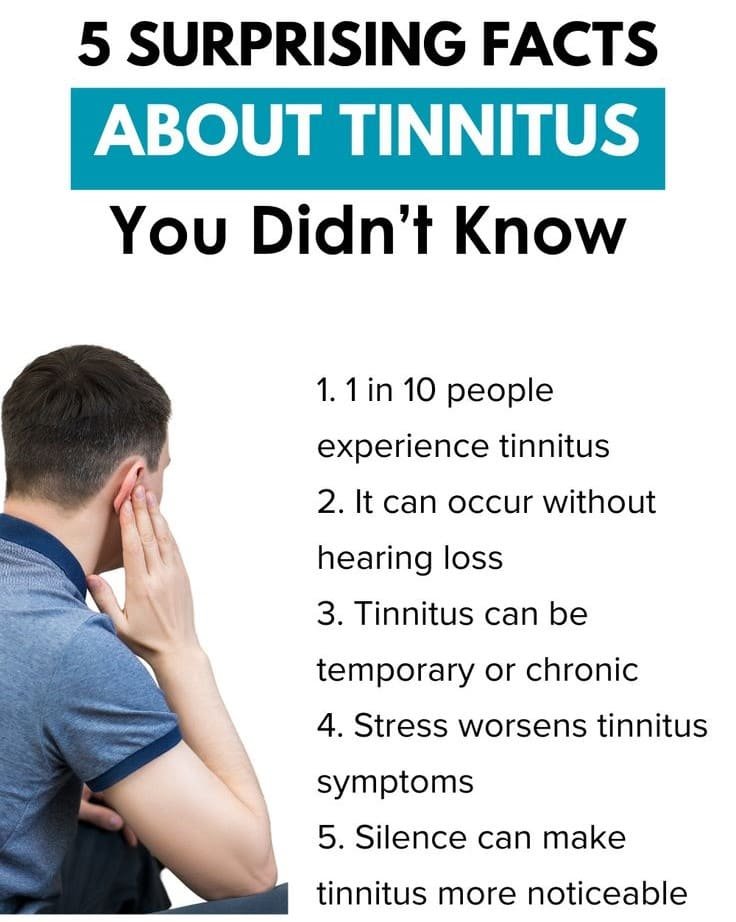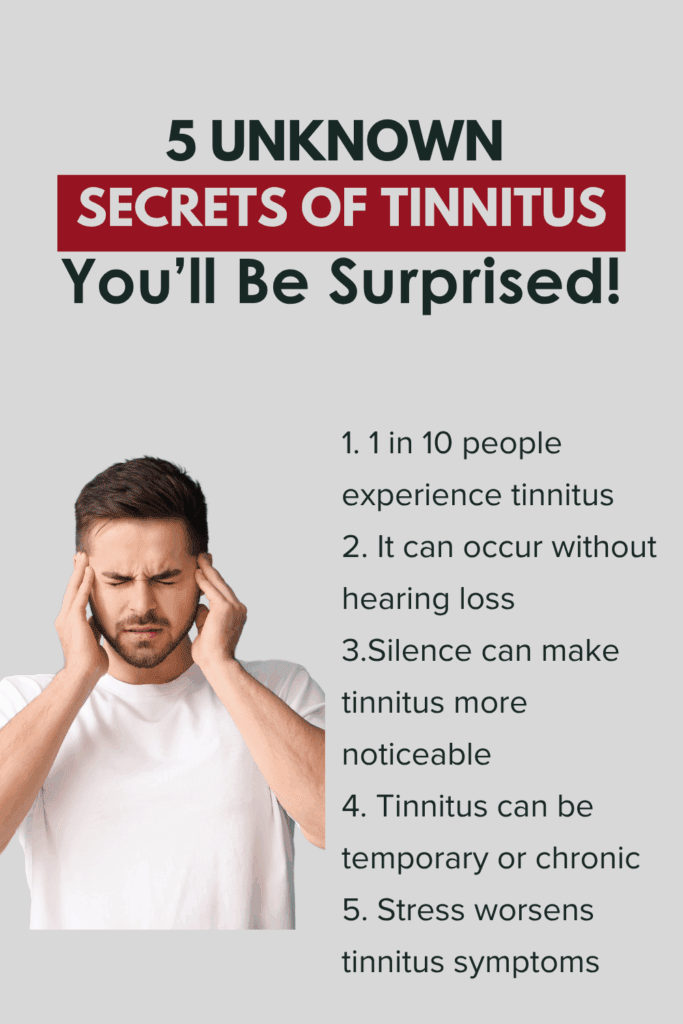
If you’ve ever noticed a constant ringing, buzzing, or humming in your ears, you’re not alone. Millions of people experience tinnitus at some point — but one of the biggest questions is: is it curable? The truth is, while tinnitus doesn’t always disappear completely, many cases can be managed effectively. In this post, we’ll explore what makes tinnitus temporary or chronic, which treatments really help, and how early care can make all the difference.
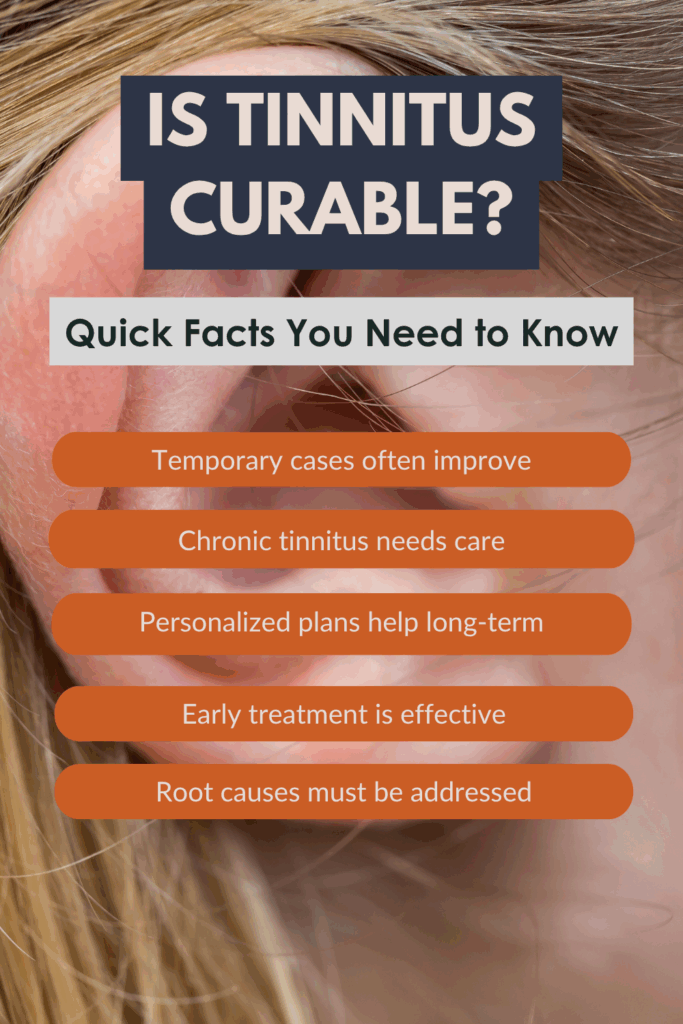
1. Temporary vs. Chronic Tinnitus: What’s the Difference?
Not all tinnitus is the same. Some cases are short-term and fade naturally, while others last for months or even years.
-
Temporary tinnitus often follows exposure to loud sounds — like concerts or machinery — and typically improves with rest and ear protection.
-
Chronic tinnitus, however, may result from deeper issues such as hearing loss, ear infections, or nerve-related damage.
Recognizing the type of tinnitus you have is the first step toward effective care.
2. Why Early Treatment Matters
The sooner you address tinnitus, the better your chances of improving it. Many people wait months, hoping the noise will fade on its own — but early evaluation by an ear specialist can identify reversible causes, such as earwax buildup, infection, or medication side effects.
Early treatment can also prevent the brain from “locking in” the sound pattern, which makes chronic tinnitus harder to manage later.
3. Root Causes Must Be Addressed
There’s no single “one-size-fits-all” cure because tinnitus often stems from multiple factors. Some of the most common root causes include:
-
Hearing loss or prolonged noise exposure
-
Jaw or neck tension (TMJ disorders)
-
Ear infections or sinus issues
-
Circulatory problems or high blood pressure
-
Medication side effects (like certain antibiotics or painkillers)
Treating these underlying issues can dramatically reduce tinnitus intensity — and sometimes eliminate it completely.
4. Personalized Treatment Plans Work Best
Every ear, brain, and body is unique — and so is every tinnitus case. A personalized care plan often includes a combination of:
-
Sound therapy: Using gentle background sounds to retrain how your brain responds to tinnitus.
-
Lifestyle adjustments: Reducing caffeine, managing stress, and improving sleep habits.
-
Nutritional support: Maintaining a diet rich in magnesium, zinc, and B vitamins, which support ear and nerve health.
-
Mindfulness techniques: Meditation and relaxation exercises can lower the perception of tinnitus.
By combining these approaches, people often find relief even if the ringing doesn’t vanish entirely.
5. Common Myths About Tinnitus
Let’s clear up a few misunderstandings:
-
Myth: “There’s nothing you can do.” → False. Tinnitus management therapies have helped millions live normal, peaceful lives.
-
Myth: “Tinnitus means you’re going deaf.” → Not necessarily. Many with tinnitus maintain healthy hearing for life.
-
Myth: “It’s all in your head.” → Technically true, but not in a bad way. Tinnitus involves the brain’s sound processing — and that’s why retraining therapies work.
6. When to See a Doctor
You should see a hearing specialist or ENT if:
-
The sound lasts longer than a few days.
-
You experience dizziness or hearing loss.
-
The noise occurs in only one ear.
-
It’s affecting your sleep, focus, or emotional well-being.
A professional evaluation can determine the exact cause and guide you toward proper treatment.
Final Thoughts
So, is tinnitus curable? In many cases, it’s manageable — and sometimes reversible — depending on its cause and how early it’s addressed. The key is understanding your body, taking action quickly, and not losing hope. Whether it’s through sound therapy, lifestyle changes, or professional guidance, there are proven ways to quiet the ringing and regain peace of mind.