Knee pain can sneak up on you — from climbing stairs to getting out of bed. Whether it’s caused by injury, arthritis, or wear and tear, your daily habits make a huge difference in how your knees feel. The good news? A few small changes can help you move with less pain and more confidence.
Let’s go over the essential do’s and don’ts for knee pain relief — simple, realistic tips to protect your joints and prevent long-term damage.
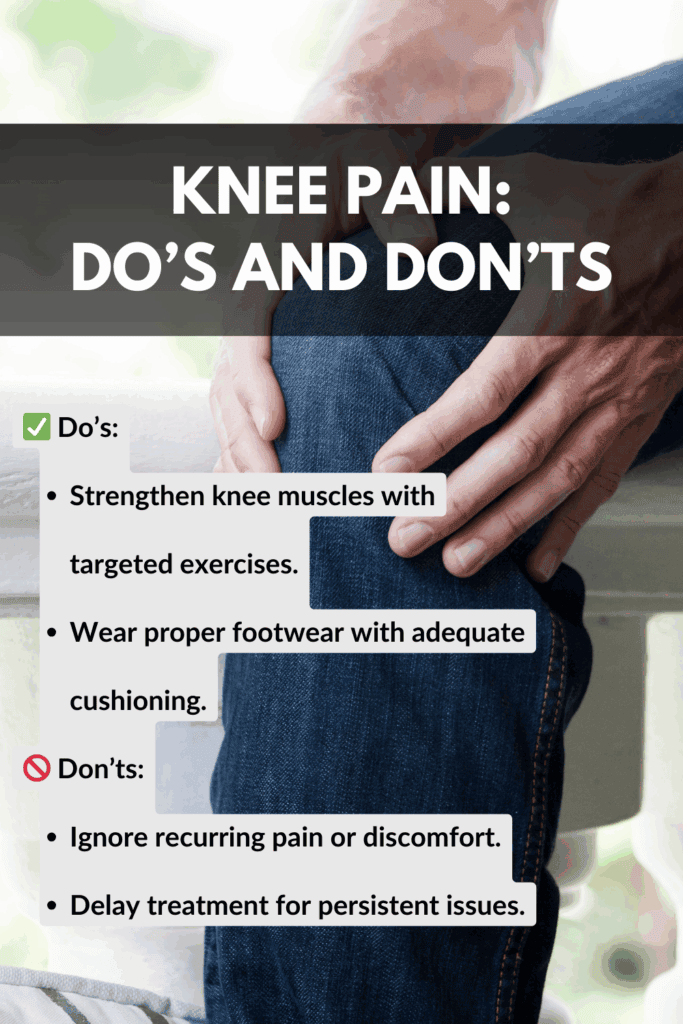
✅ Do: Strengthen Your Knee Muscles
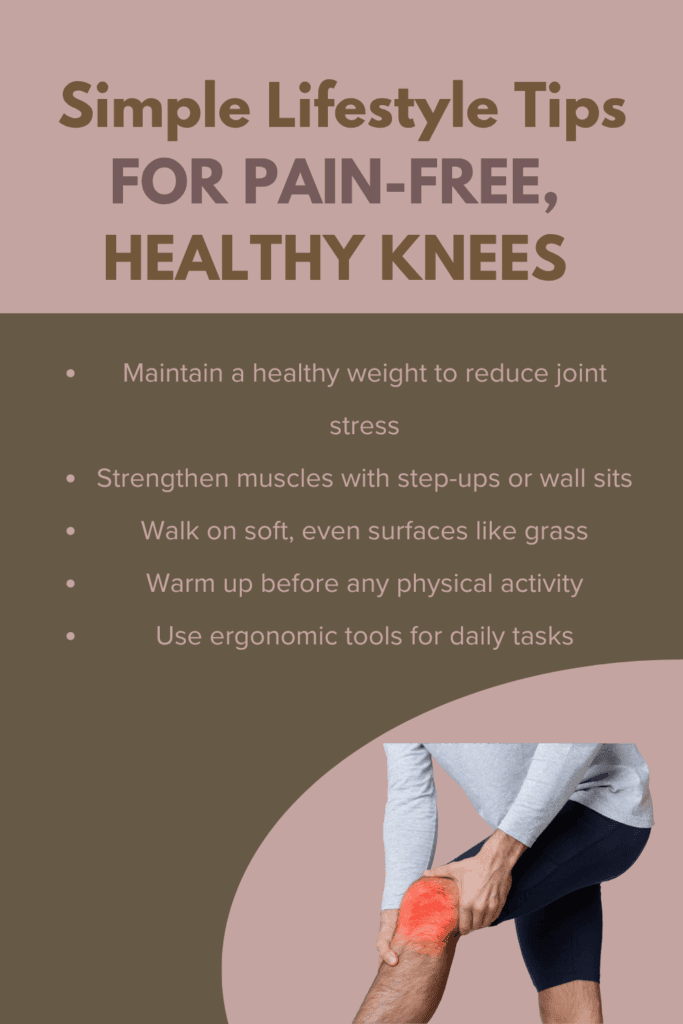
Strong muscles act like shock absorbers for your joints. Focus on low-impact strengthening exercises that build stability without strain — think leg raises, mini squats, or resistance band workouts.
Consistent exercise improves blood flow and supports joint lubrication, helping you move more smoothly.
💡 Tip: Try 15–20 minutes of light strengthening three times a week to start seeing results.
👟 Do: Wear Proper Footwear
Shoes play a bigger role in joint health than most people realize. Worn-out or unsupportive shoes can throw off your alignment and increase knee strain.
Choose footwear with good arch support and soft cushioning, especially if you stand or walk for long hours. Orthotic inserts or supportive sneakers can make a big difference in how your knees feel.
💡 Tip: If your shoes show uneven wear, it’s time for a replacement — your knees will thank you.
🧘♀️ Do: Stay Active (But Gentle)
Movement keeps your joints flexible and nourished. While rest is important, staying still for too long can make your knees feel stiff.
Gentle activities like swimming, cycling, and yoga help maintain flexibility and improve mobility without adding pressure on the knees.
💡 Tip: Aim for 20–30 minutes of light movement daily to keep your knees active and pain-free.
🧊 Do: Use Heat and Cold Therapy
If your knees ache after activity, try alternating between cold compresses and warm packs. Cold therapy reduces swelling and inflammation, while heat relaxes tight muscles and improves circulation.
💡 Tip: Apply ice for 15 minutes after exercise and a warm pack before bed for comfort and recovery.
🚫 Don’t: Ignore Persistent Pain
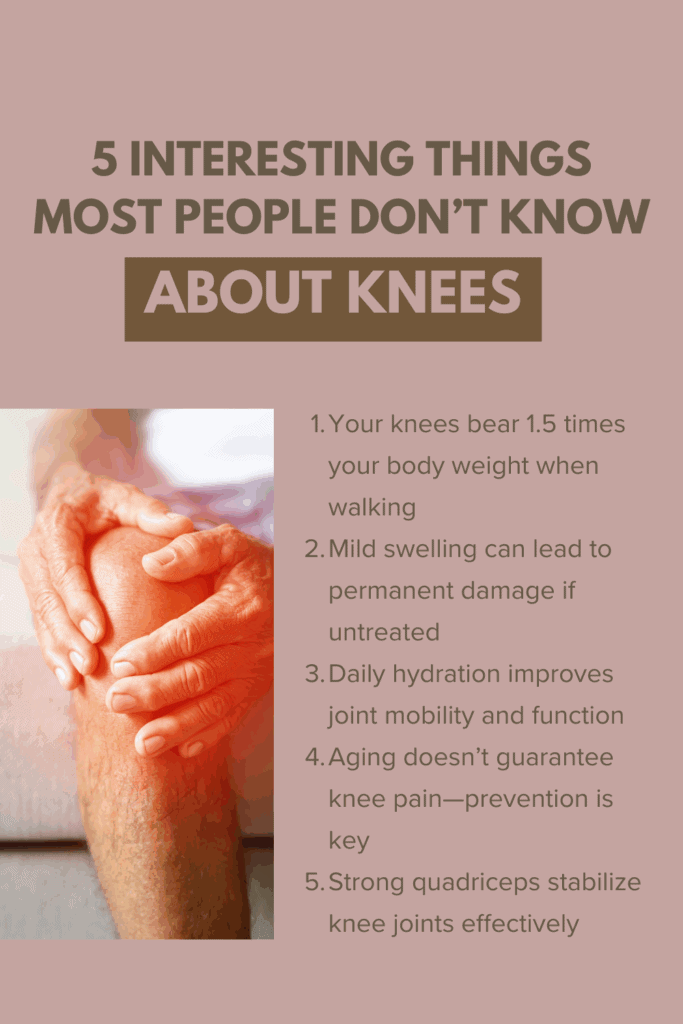
Pain is your body’s signal that something’s wrong. Ignoring it or “pushing through” can worsen damage over time.
If you feel sharp, lingering, or swelling pain that lasts more than a few days, consult a physiotherapist or orthopedic specialist. Early diagnosis often prevents long-term issues like cartilage loss or joint instability.
💡 Reminder: It’s better to rest and get checked than risk chronic pain later.
🚫 Don’t: Delay Treatment for Recurring Issues
Delaying care is one of the most common mistakes. Even mild knee pain that comes and goes might point to an underlying imbalance, arthritis, or injury.
Ignoring it can lead to further joint wear, limited mobility, or muscle weakness around the knee.
💡 Tip: Keep track of your symptoms in a simple journal — note what triggers pain, what helps, and how long it lasts. It’ll help your doctor find the root cause faster.
🚫 Don’t: Overdo High-Impact Activities
Running on hard surfaces, jumping workouts, or heavy lifting can all aggravate knee pain. While staying active is vital, it’s equally important to listen to your body and adjust intensity.
Replace high-impact workouts with low-impact alternatives — like walking on softer ground or using an elliptical.
💡 Tip: Always warm up before exercising and cool down after to prevent strain.
💡 Bonus: Support Your Knees from the Inside Out
Good nutrition supports recovery and joint resilience. Eat anti-inflammatory foods like spinach, broccoli, ginger, and almonds. Stay hydrated — joint fluid depends on water balance — and keep your weight in check to reduce pressure on your knees.
💡 Quick rule: Every extra pound adds about four pounds of pressure on your knees!
🌿 Final Thoughts
Knee pain relief isn’t about quick fixes — it’s about mindful habits that keep your joints healthy for years to come. By following these simple do’s and avoiding the don’ts, you can move more freely, reduce discomfort, and protect your knees naturally.
Start small — maybe change your shoes, add a few stretches, or track your symptoms. Every positive step counts.