Your ears are constantly working — not just to hear, but to help you stay balanced and connected to the world around you. Yet, they’re often overlooked until a problem like tinnitus or ear pain appears. The truth is, healthy ears require consistent care and small daily habits.
Fortunately, protecting your hearing doesn’t demand big changes. These four simple lifestyle tweaks can strengthen your ear health, reduce irritation, and prevent issues that may contribute to tinnitus or hearing loss.
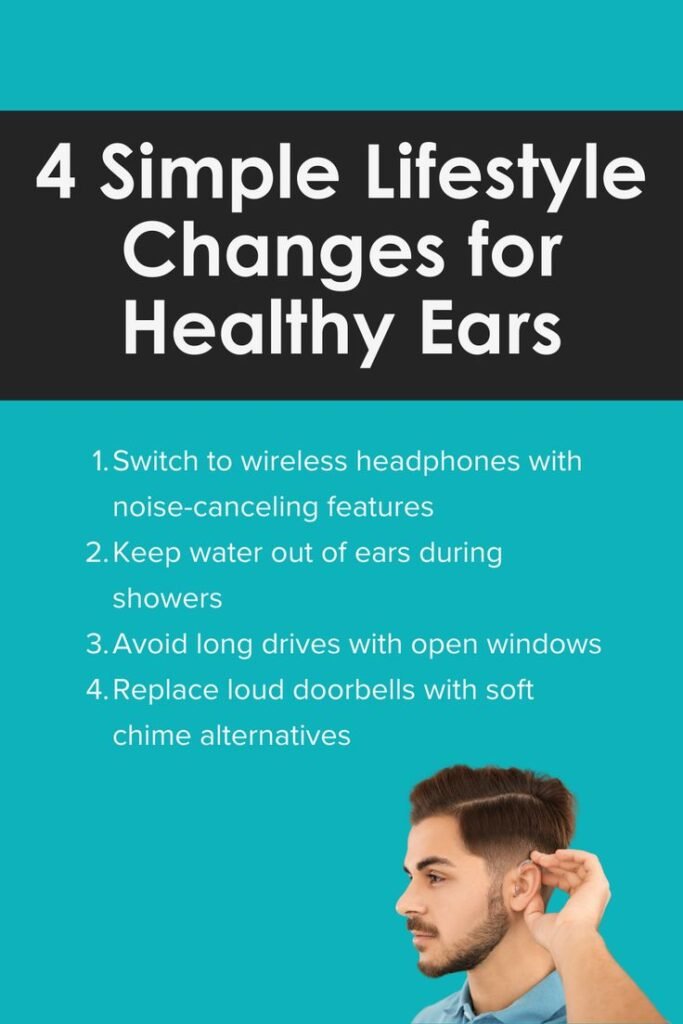
1. Switch to Wireless Headphones with Noise-Canceling Features
Headphones are part of daily life, but not all are ear-friendly. Traditional wired earphones often push sound directly into the ear canal at unsafe levels, while background noise tempts you to raise the volume even higher.
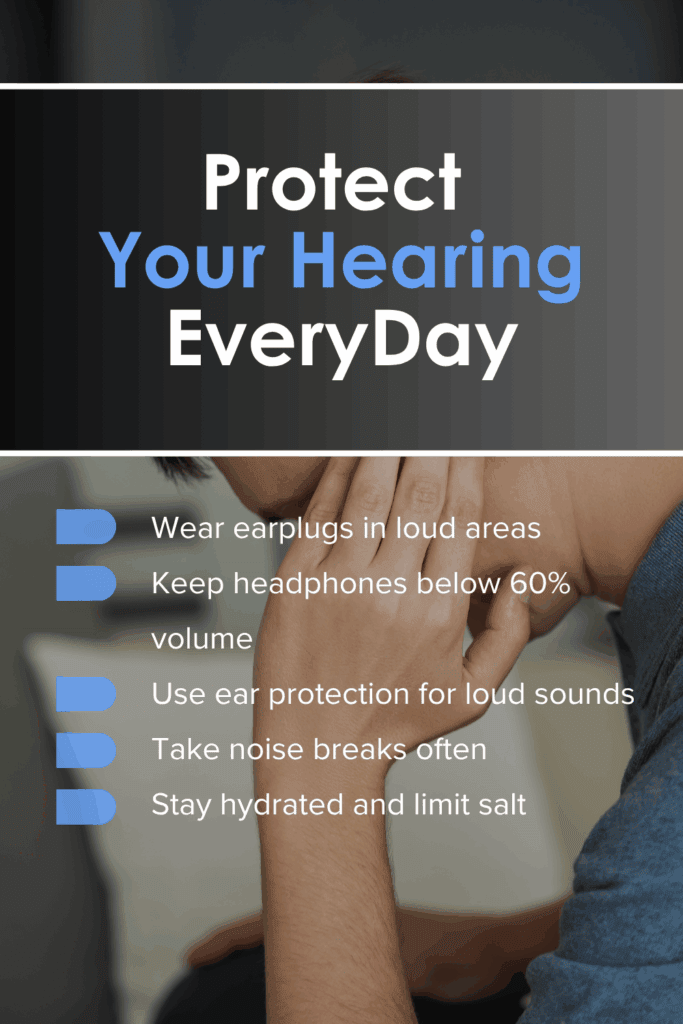
By switching to wireless, noise-canceling headphones, you can enjoy music or podcasts at safer sound levels. These models reduce external noise, so you won’t need to turn the volume up as much. Experts recommend keeping sound below 60% of maximum volume and taking short breaks every hour.
Long-term, these small adjustments can dramatically lower your risk of hearing damage and tinnitus.
2. Keep Water Out of Your Ears During Showers
Trapped water is a sneaky culprit for ear irritation and infection. When water lingers inside your ear canal, it creates a warm, moist environment where bacteria can grow — leading to conditions like swimmer’s ear, which can trigger temporary tinnitus or muffled hearing.
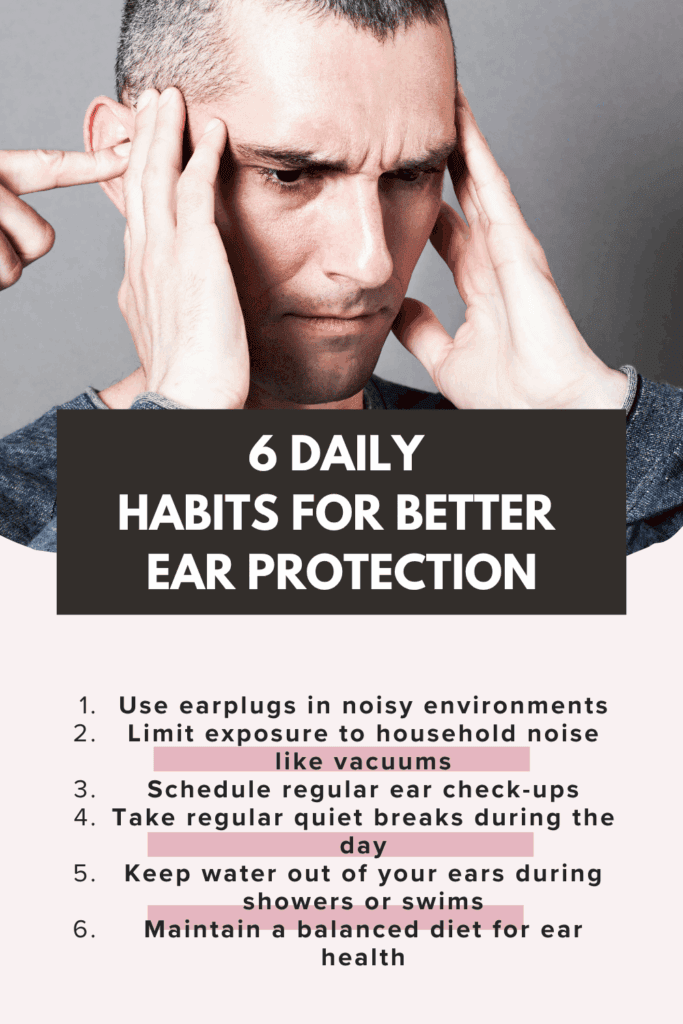
To prevent this, tilt your head gently after showers and dry the outer ear with a towel (never insert cotton swabs inside). You can also use a few drops of a 50/50 mix of rubbing alcohol and white vinegar occasionally to help dry and maintain healthy ear conditions — but only if you don’t have ear tubes, damage, or infections.
If you often swim, custom-fitted earplugs are a worthwhile investment.
3. Avoid Long Drives with Open Windows
It might feel refreshing to drive with the windows down, but that continuous rush of wind can expose your ears to sound levels above 85 decibels — the threshold where hearing damage can begin.
Extended exposure to this “wind noise” strains the delicate hair cells inside your inner ear, leading to ringing or sensitivity. If you’re on a long drive, try keeping windows closed at high speeds or wear ear protection.
It’s not about avoiding fun — it’s about preserving hearing for the long term.
4. Replace Loud Doorbells with Soft Chime Alternatives
Loud household sounds are an often-overlooked source of ear stress. High-pitched, sudden noises — like doorbells, alarms, or even smartphone ringtones — can trigger brief spikes in tinnitus or ear ringing for some people.
Consider switching to soft chime doorbells or vibration alerts. These provide a gentler cue without overwhelming your hearing. You can even sync them to smart-home systems for visual notifications instead of loud tones.
Protecting your ears at home helps create a quieter, calmer environment where your auditory system can rest and recover.
Small Steps, Big Results for Your Ears
Caring for your ears isn’t just about avoiding loud concerts or using earplugs — it’s about weaving small, mindful habits into your routine. By making these four lifestyle adjustments, you’re reducing unnecessary stress on your hearing system and promoting long-term balance.
Healthy ears mean better focus, sound clarity, and peace of mind — literally.
💡 Pin this post to your “Healthy Ears & Tinnitus Relief” board to remind yourself that small changes lead to lasting calm.