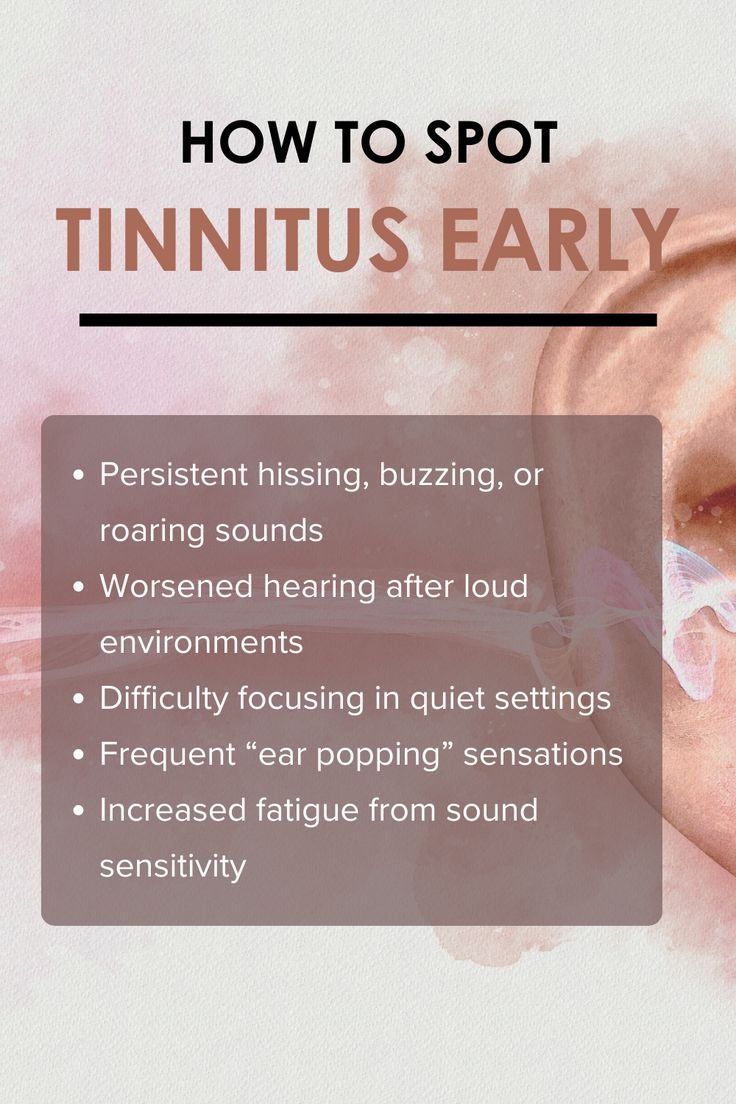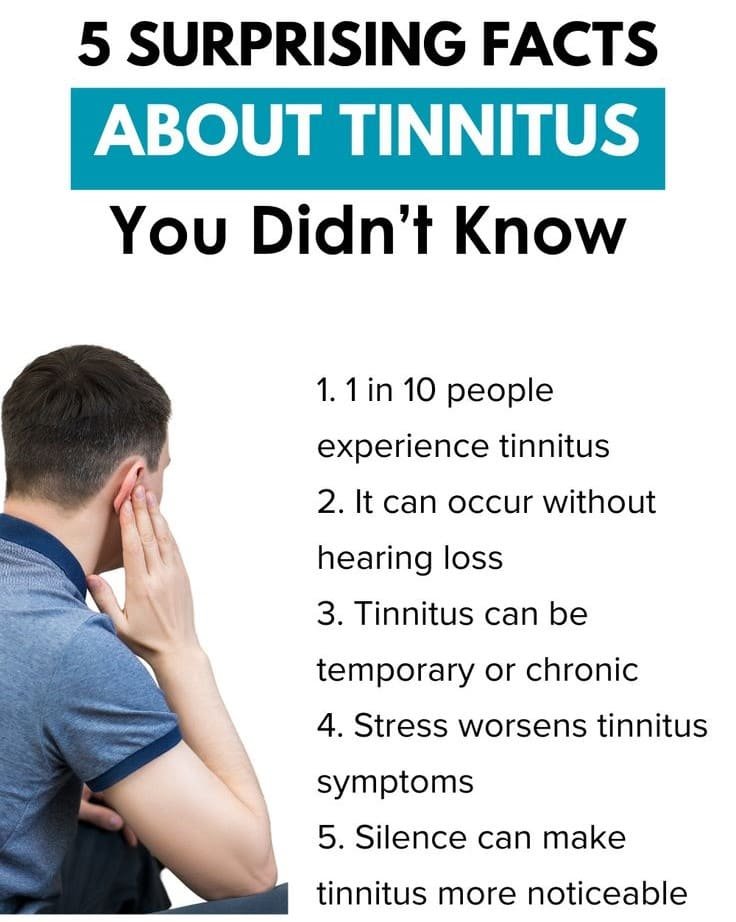
Tinnitus — that constant ringing, buzzing, or humming in the ears — can be frustrating to live with. While most people know it’s often linked to loud noise or hearing loss, the truth is that several lesser-known lifestyle factors can quietly make symptoms worse.
If you’ve ever wondered why your tinnitus flares up randomly or feels louder some days, these hidden triggers might be part of the reason. Let’s explore four surprising contributors you may not have considered before.
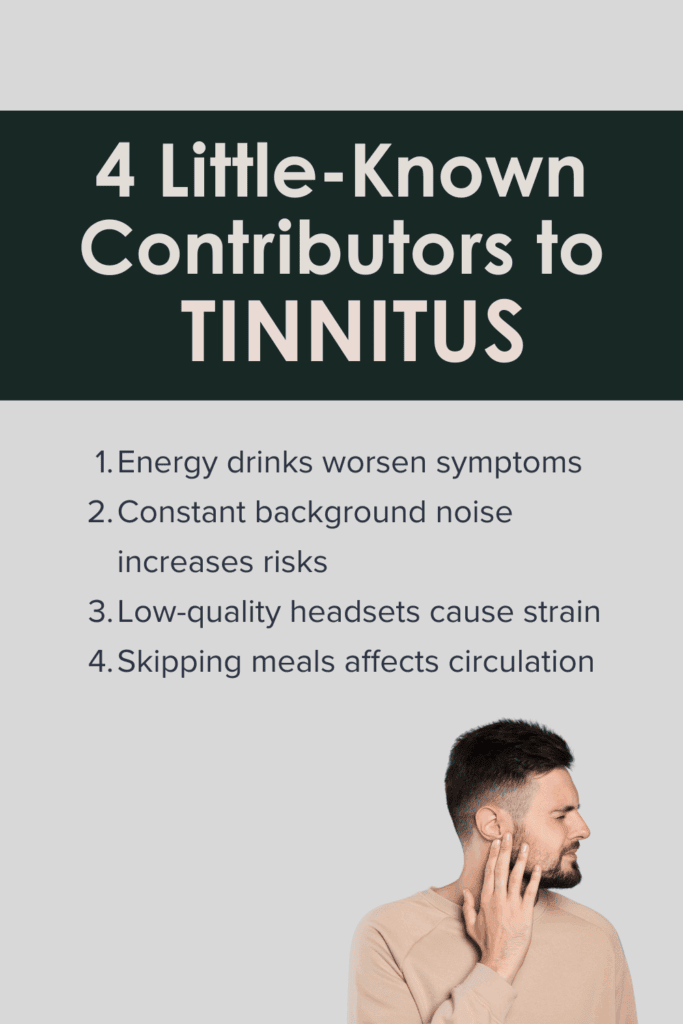
1. Energy Drinks Can Worsen Symptoms
Energy drinks might boost your focus for a while, but they can also ramp up tinnitus intensity. The high caffeine and sugar levels in these drinks stimulate the nervous system, raising heart rate and blood pressure. That increased activity can heighten the perception of ringing in your ears.
What’s more, caffeine can affect blood flow to delicate inner-ear structures, especially when consumed in large amounts. If you rely on energy drinks to power through your day, try swapping one or two of them for herbal teas or water infused with lemon and mint. Your ears — and your sleep — may thank you for it.
2. Constant Background Noise Increases Risk
Believe it or not, your brain needs occasional silence. Many people leave background sounds like TVs, fans, or white-noise machines running all day, thinking it’s harmless — or even helpful for masking tinnitus. But too much exposure to constant noise can actually desensitize your ears and keep the auditory system on high alert.
Over time, this continuous stimulation can make tinnitus more noticeable when things finally get quiet. Try scheduling short “sound breaks” throughout the day. Step outside, turn off electronics, and let your ears rest in natural silence for a few minutes. It’s a simple reset that can make a big difference.
3. Low-Quality Headsets Cause Ear Strain
Cheap headphones or earbuds can do more harm than good. Poor audio quality often leads people to turn the volume up higher to hear clearly — and that’s where the problem begins. Long exposure to loud or distorted sounds can strain the tiny hair cells inside the ear responsible for transmitting sound signals to the brain.
When these cells get overstimulated or damaged, tinnitus can appear or worsen. Investing in noise-canceling or high-fidelity headphones lets you enjoy music at lower, safer volumes. Also, follow the 60/60 rule — listen at no more than 60% volume for no longer than 60 minutes at a time.
4. Skipping Meals Affects Circulation
You might not connect your eating habits to ear health, but your circulatory system plays a huge role in maintaining balance and hearing. Skipping meals or following inconsistent eating patterns can cause blood-sugar fluctuations and reduced blood flow — both of which can impact the inner ear.
When blood circulation dips, oxygen and nutrients don’t reach the auditory nerves efficiently, potentially triggering or amplifying tinnitus sensations. Maintaining steady blood sugar through regular, balanced meals supports both brain and ear health.
Try eating small, nutrient-rich meals every 3–4 hours, and include magnesium-rich foods (like spinach, almonds, and bananas) that support nerve function and reduce ear stress.
Simple Habits to Protect Your Ears
Small daily actions can help you manage tinnitus naturally. Here are some easy ways to protect your hearing health:
-
Stay hydrated throughout the day.
-
Limit caffeine, alcohol, and salty foods.
-
Manage stress through mindfulness or gentle yoga.
-
Avoid sudden exposure to loud noises.
-
Schedule regular hearing check-ups.
Even small adjustments can calm your symptoms and restore a sense of normalcy.
When to Seek Professional Help
If your tinnitus is persistent or worsening, don’t ignore it. Sometimes it signals an underlying issue — like high blood pressure, medication side effects, or earwax buildup — that can be managed or treated. An audiologist or ENT specialist can help identify the root cause and recommend solutions like sound therapy, hearing aids, or lifestyle changes tailored to your needs.
Remember: early evaluation often leads to faster relief and better long-term management.
Final Thoughts
Tinnitus isn’t always caused by loud concerts or aging — sometimes, it’s the everyday habits we overlook. From energy drinks and noisy backgrounds to cheap headphones and skipped meals, these subtle contributors can quietly fuel your ear discomfort.
Start small: make one positive change this week and pay attention to how your ears respond. Tiny shifts in your routine can bring big improvements in your peace and comfort.