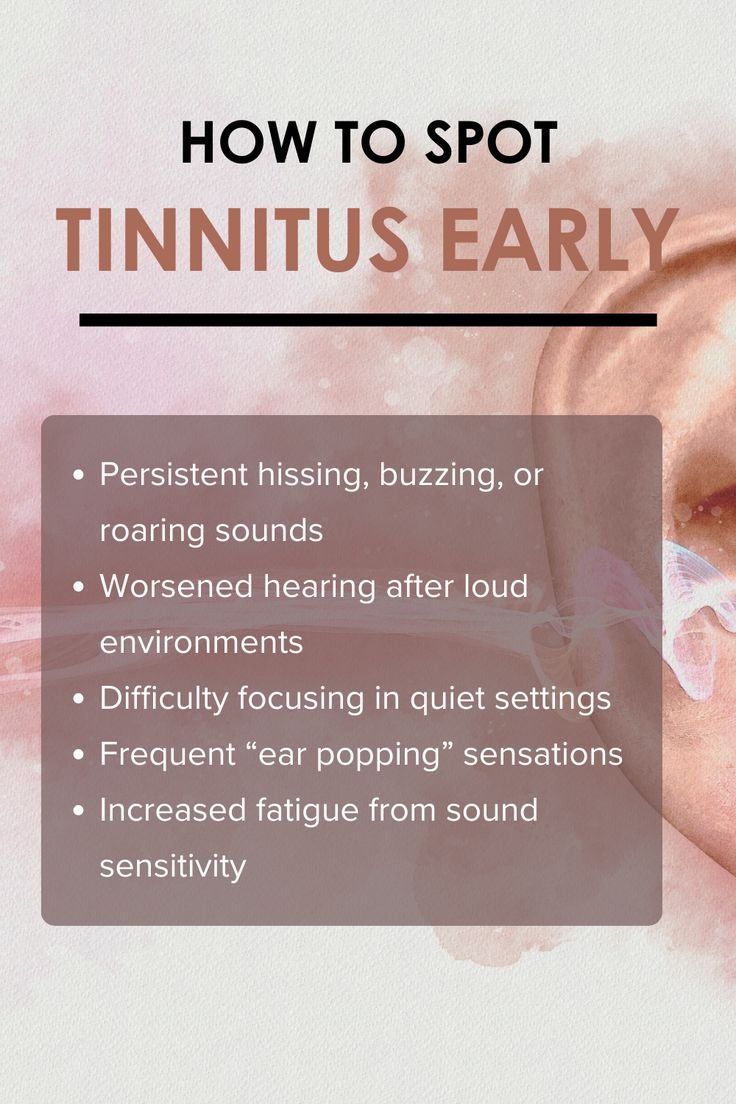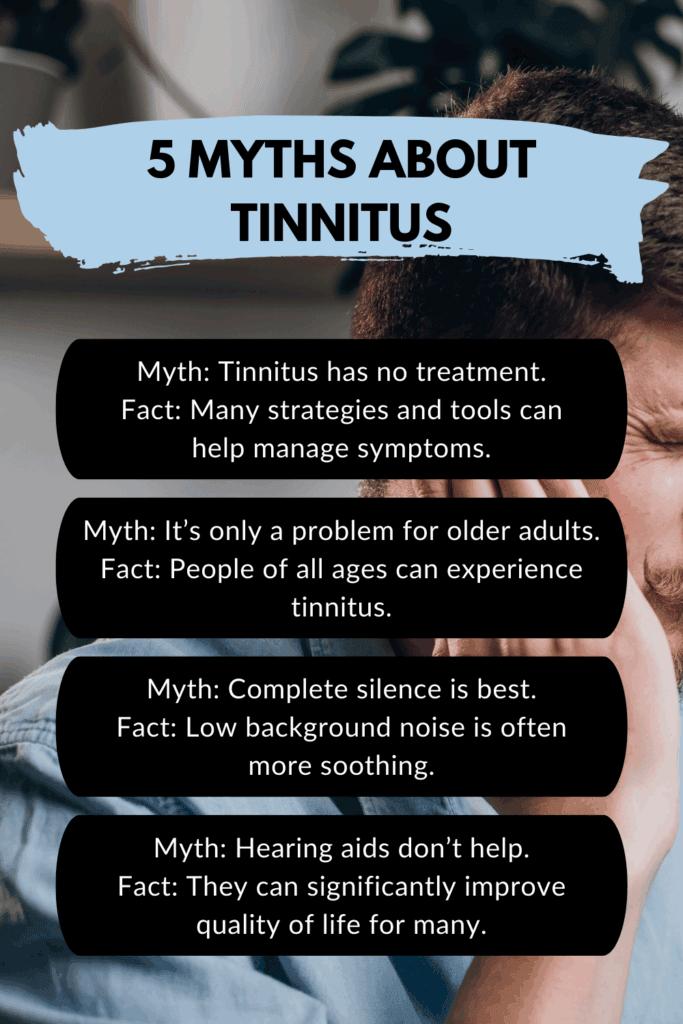
Tinnitus isn’t a disease — it’s a symptom that something is affecting your hearing system. People describe it as a ringing, buzzing, hissing, or humming sound that doesn’t come from an external source.
It can be constant or come and go, soft or loud, and affect one or both ears. While it can be frustrating, understanding the causes and early management options can make a world of difference.

Tinnitus by the Numbers: Why Awareness Matters
-
Affects 10–15% of adults worldwide.
That means hundreds of millions of people experience tinnitus regularly — yet many never seek help. -
More common after age 40.
As we age, changes in hearing and circulation can increase the risk of developing tinnitus. -
Men are more likely to experience it.
Studies suggest men have slightly higher rates, possibly due to greater noise exposure in certain workplaces. -
Early treatment improves outcomes.
Addressing tinnitus early can prevent it from becoming chronic or emotionally distressing. -
Many people ignore symptoms.
Unfortunately, mild tinnitus often goes untreated until it worsens or begins to affect sleep and focus.
Common Causes of Tinnitus
Tinnitus can have many underlying triggers, including:
-
Prolonged exposure to loud noise (concerts, machinery, headphones)
-
Earwax buildup or infections
-
Age-related hearing loss
-
Certain medications (such as high doses of aspirin or antibiotics)
-
Circulation or jaw joint issues (TMJ)
Sometimes, it appears suddenly without a clear cause — but even then, lifestyle changes and sound therapies can help reduce its impact.
Why You Shouldn’t Ignore the Early Signs
If tinnitus lasts more than a few days, worsens, or is accompanied by dizziness or hearing loss, it’s important to see a doctor or audiologist. Early diagnosis can rule out underlying conditions and help you find relief faster.
Ignoring persistent ringing can make the brain more sensitive to the sound, making it seem louder over time. Early care can prevent this from happening.
Tips for Managing Tinnitus Naturally
While there’s no one-size-fits-all cure, these steps can help reduce tinnitus intensity and improve your quality of life:
-
Protect your ears: Avoid loud noise or wear ear protection in noisy places.
-
Manage stress: Stress and anxiety can amplify tinnitus perception. Try deep breathing, yoga, or meditation.
-
Sleep well: Fatigue makes tinnitus feel louder. Maintain a consistent bedtime routine.
-
Use background sound: Soft music or white noise can mask ringing and promote relaxation.
-
Stay healthy: Proper hydration, regular exercise, and a balanced diet support circulation and ear health.
Final Thoughts: You’re Not Alone
Tinnitus affects millions, but awareness and early action can make all the difference. If you or someone you know is experiencing ringing or buzzing in the ears, don’t ignore it — seek guidance, explore treatment options, and take small daily steps toward relief.
Living with tinnitus is manageable — and help is available when you take that first step. 🌿