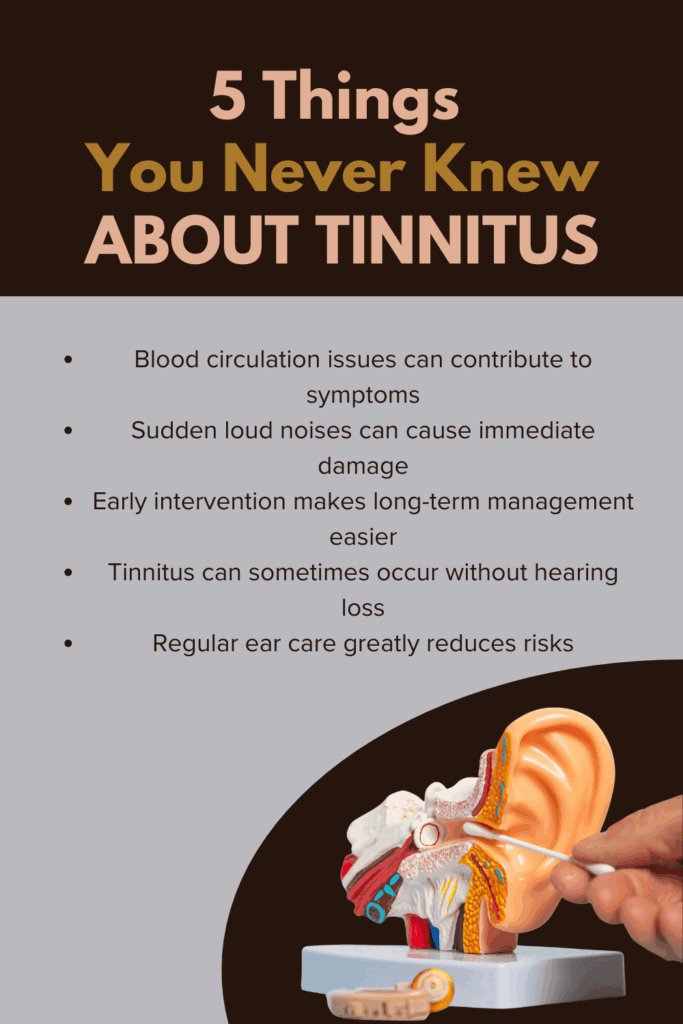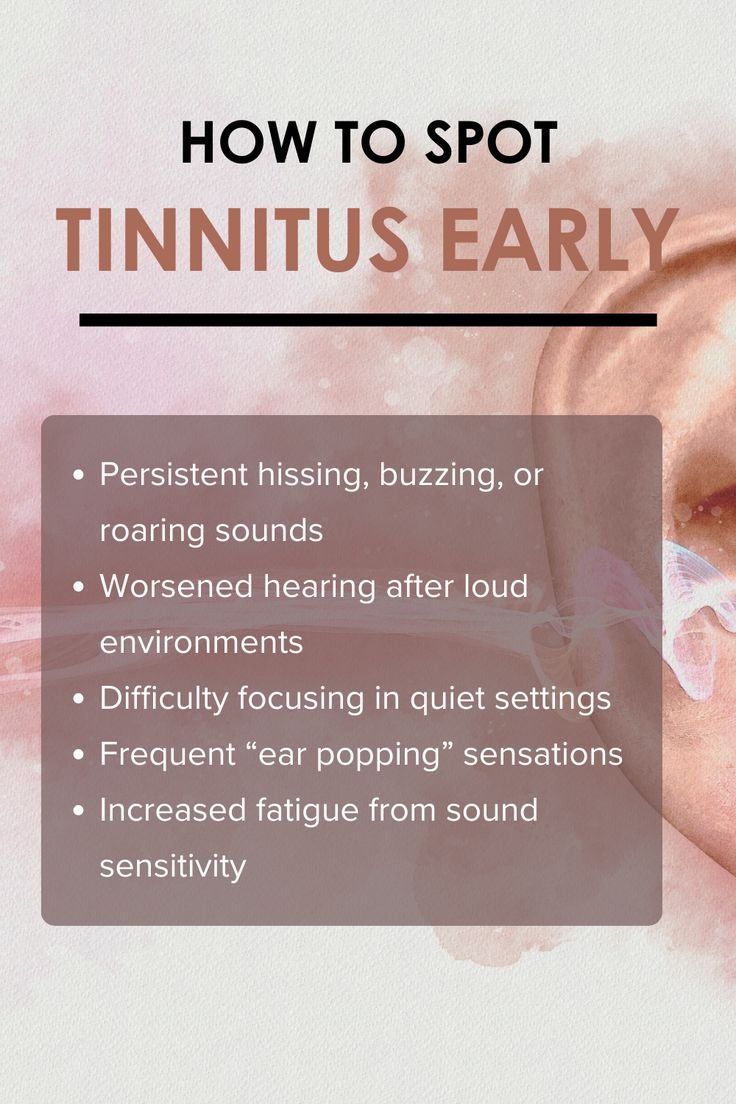
Tinnitus — that persistent ringing or buzzing in the ears — affects millions of people worldwide. Yet many don’t realize how common it is or how early intervention can make a difference.
In this post, we’ll uncover five eye-opening statistics that reveal the truth behind tinnitus and what they mean for your hearing health. Let’s dive in! 👇

🌍 1. Nearly 15% of People Worldwide Experience Tinnitus
That’s right — roughly 1 in 7 people across the globe deal with tinnitus at some point. It’s one of the most widespread auditory symptoms, cutting across age groups and lifestyles.
While for some it’s a mild, occasional hum, others experience constant or severe ringing that disrupts daily life. Understanding this number reminds us that tinnitus is not rare — it’s real, and support is essential.
🔊 2. Many Cases Stem from Workplace Noise Exposure
Frequent exposure to loud environments — think factories, concerts, or construction sites — is a major trigger. Even listening to music through headphones at high volume can damage inner ear cells.
If your job involves loud sounds, wearing protective earplugs or noise-canceling headphones can help safeguard your hearing and prevent long-term ringing.
👂 3. Hearing Loss Isn’t Always Linked to Tinnitus
While tinnitus often accompanies hearing loss, not all tinnitus sufferers have measurable hearing damage. It can also arise from ear infections, certain medications, jaw tension, or circulatory issues.
This means even if your hearing test looks normal, tinnitus shouldn’t be ignored — it’s your body’s way of signaling an imbalance.
⏰ 4. Early Treatment Can Reduce Symptoms by Up to 50%
Studies show that early diagnosis and management can significantly reduce tinnitus severity — sometimes by as much as 50%.
Treatments like sound therapy, cognitive behavioral therapy (CBT), and stress reduction techniques have proven effective when started early. The sooner you act, the more control you have over the outcome.
💆♀️ 5. Stress-Induced Tinnitus Affects More Women Than Men
Stress plays a surprising role in tinnitus flare-ups — and women tend to be more affected due to hormonal and emotional stress patterns.
Relaxation techniques such as deep breathing, meditation, yoga, or mindfulness can help quiet both the mind and the ringing. Prioritizing mental health is just as vital as caring for your ears.
🌿 Takeaway: Awareness Is the First Step to Relief
Tinnitus can feel isolating, but these numbers show you’re not alone — and there’s hope. Whether your symptoms are mild or persistent, small proactive steps can make a big difference.
Start by protecting your ears, managing stress, and seeking early support if the ringing persists.
👉 Pin this post to raise tinnitus awareness and help others understand the numbers behind this often-overlooked condition.