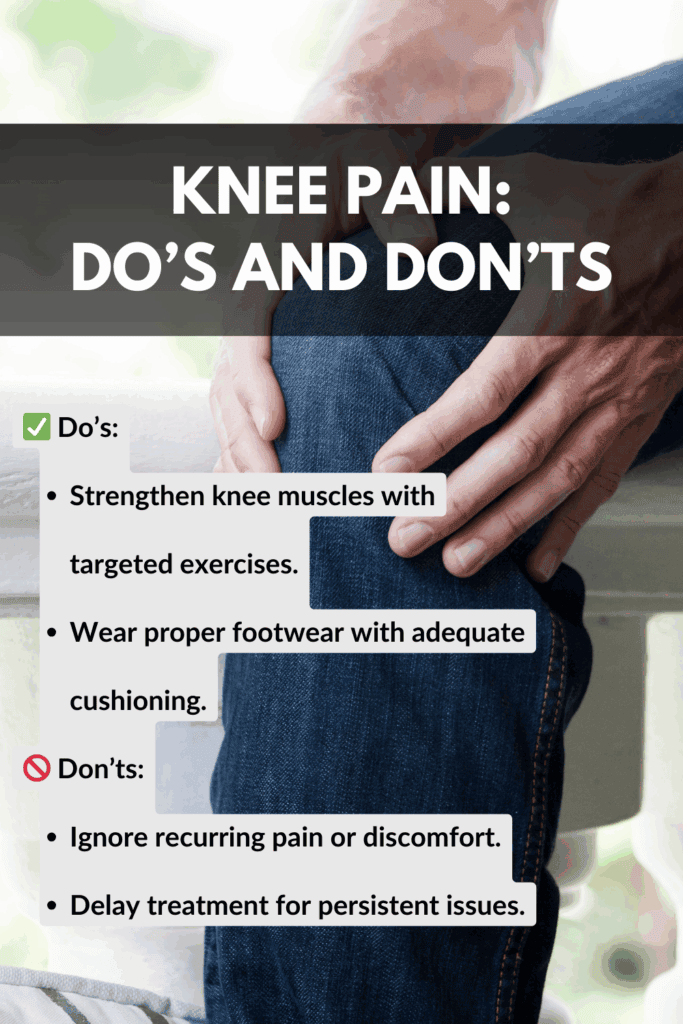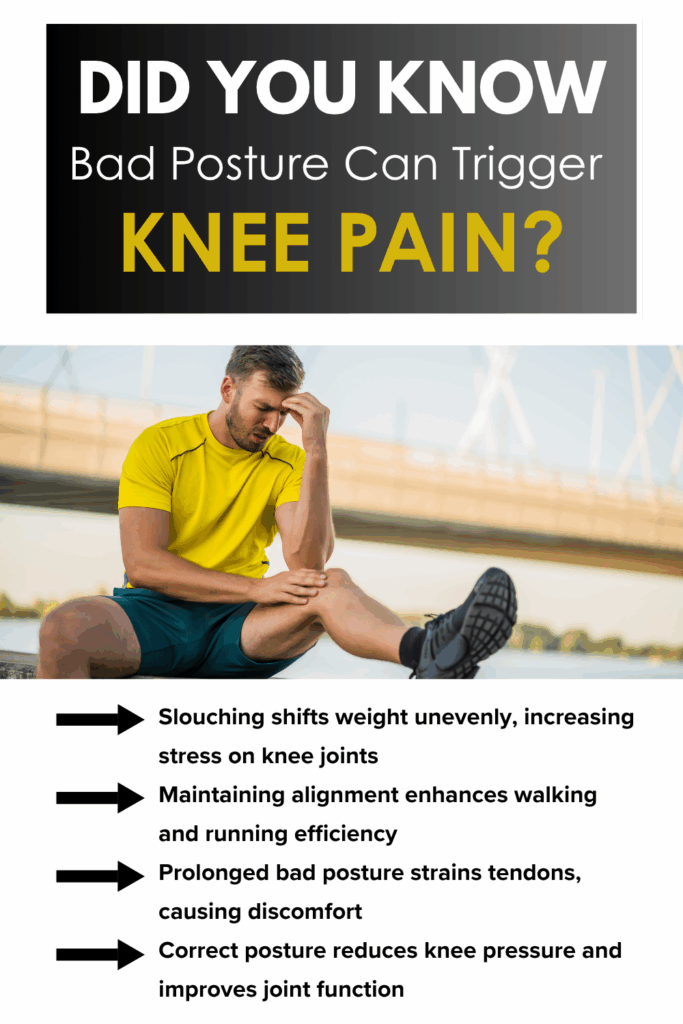
When you think about knee pain, shoes might not be the first thing that comes to mind. But the truth is, what’s on your feet plays a massive role in how your knees feel. Every step you take sends impact forces up through your ankles, knees, and hips — and the wrong shoes can multiply that pressure.
Let’s explore how supportive shoes can make a big difference in reducing knee pain and protecting your joints for the long run.
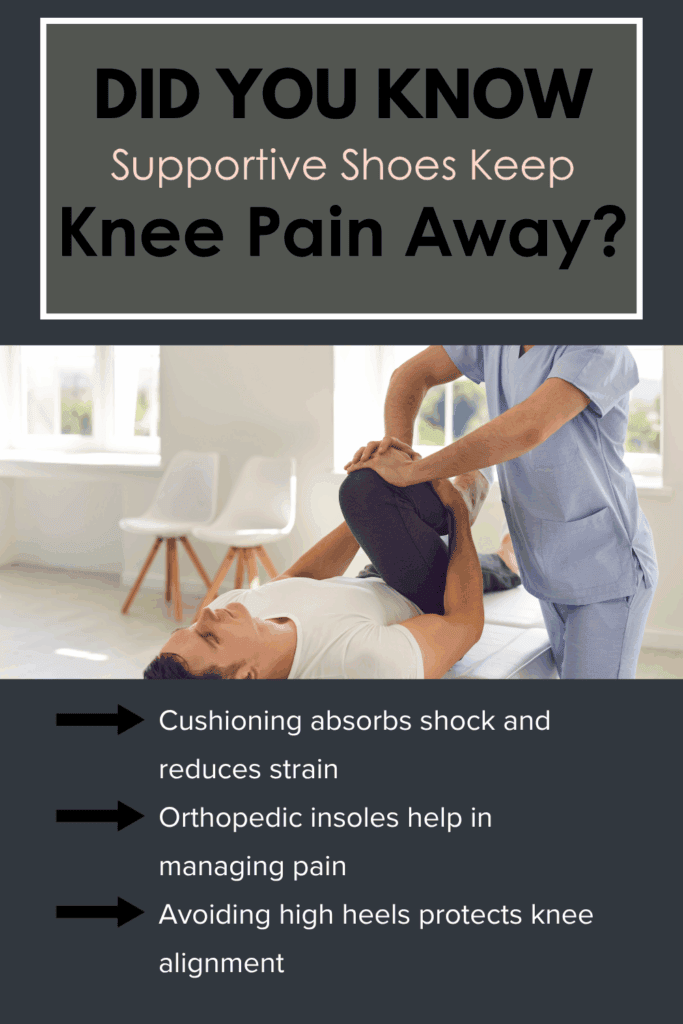
🦶 1. Cushioning Absorbs Shock and Reduces Strain
Every time your foot hits the ground, it absorbs and transfers force up your leg. Without proper cushioning, your knees take on most of that stress — especially during long walks or workouts.
Supportive shoes with shock-absorbing soles and arch support help distribute pressure evenly, easing the load on your knees. Over time, this small change can significantly reduce pain and fatigue.
If you’re active, look for footwear with gel, air, or foam padding designed to soften each step and protect your joints.
👟 2. Orthopedic Insoles Help in Managing Pain
Orthopedic or custom insoles are a game-changer for people dealing with chronic knee discomfort. They’re designed to correct foot alignment, balance body weight, and reduce inward or outward rolling of the ankles — one of the most common causes of knee strain.
By improving your alignment from the ground up, insoles help your knees move more naturally and pain-free. Even simple over-the-counter inserts can provide noticeable relief when used consistently.
👠 3. Avoiding High Heels Protects Knee Alignment
High heels may look stylish, but they shift your center of gravity forward, forcing your knees to work harder to stay balanced. Over time, this unnatural pressure can damage cartilage and lead to inflammation.
Try these alternatives:
-
Choose flats or low-heeled shoes with arch support.
-
Save heels for short durations.
-
Stretch your calves and hamstrings after wearing them.
Proper alignment starts from your feet, and protecting that foundation means stronger, healthier knees.
🧘♀️ Bonus Tip: Replace Old Shoes Regularly
Even the best shoes lose their cushioning over time. Worn-out soles stop absorbing shock effectively, putting more strain on your joints. Replace your shoes every 6–9 months if you walk or stand a lot — your knees will thank you.
🌿 Final Thoughts
Supportive footwear isn’t just about comfort — it’s a key part of joint care and pain prevention. By choosing cushioned shoes, using orthopedic insoles, and avoiding high heels, you can significantly reduce daily strain on your knees.
Start from the ground up, and every step you take can become a step toward pain-free living.