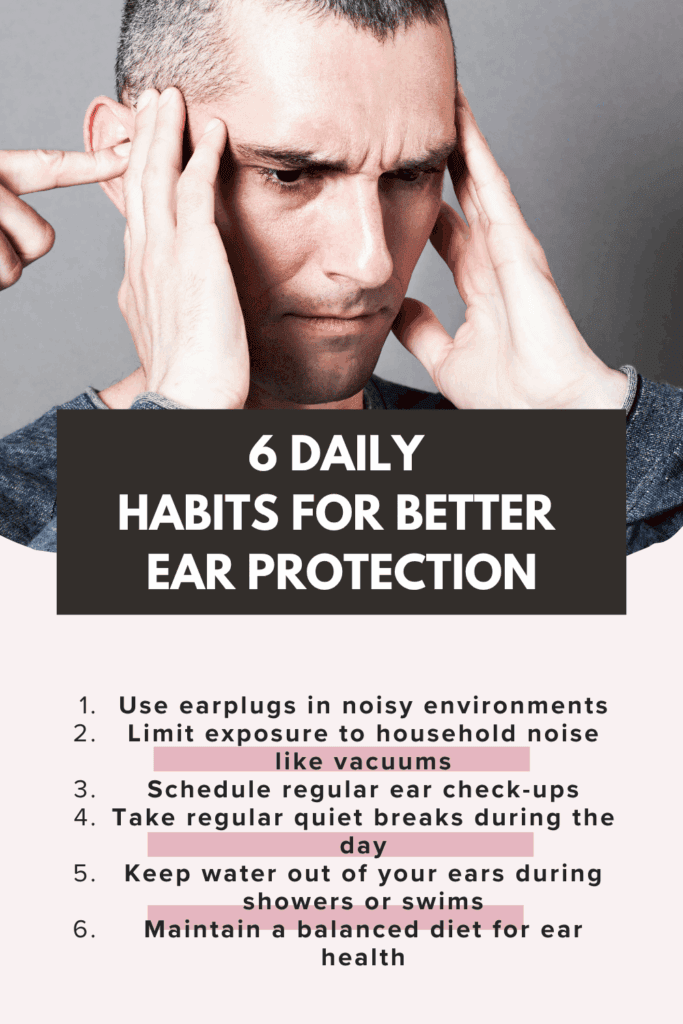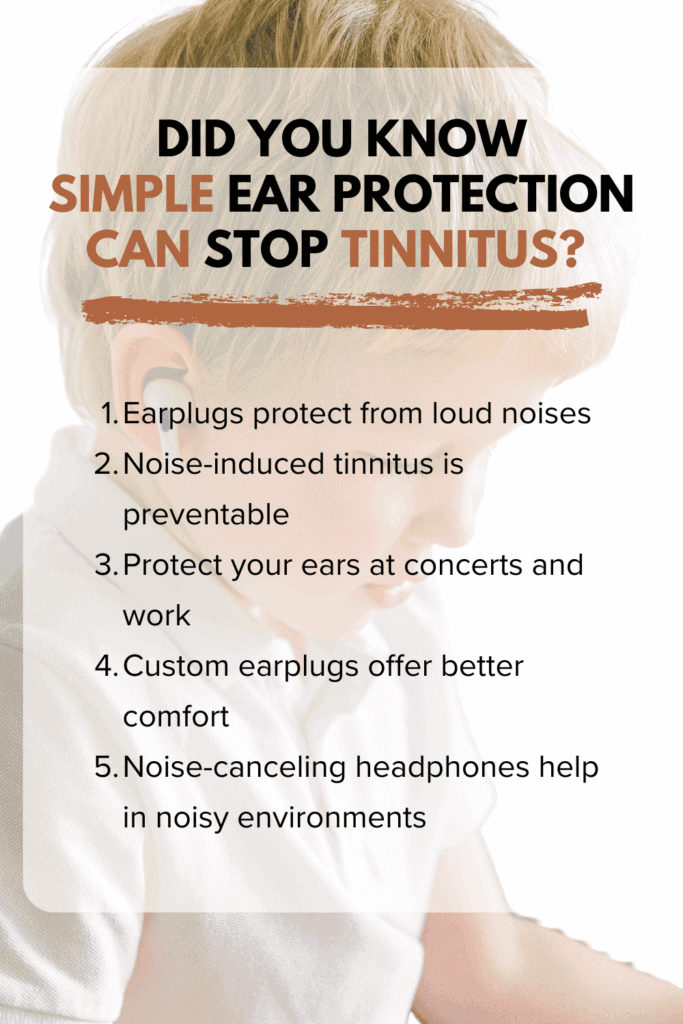
Your ears do more than help you hear—they connect you to the world. Yet most people don’t realize how easy it is to damage their hearing over time. From blasting music through headphones to spending hours in noisy environments, small daily choices can take a big toll.
The good news? Protecting your hearing doesn’t require fancy equipment or complicated routines. In this post, you’ll learn five simple, science-backed ways to keep your ears healthy and prevent long-term hearing loss. Let’s dive in!
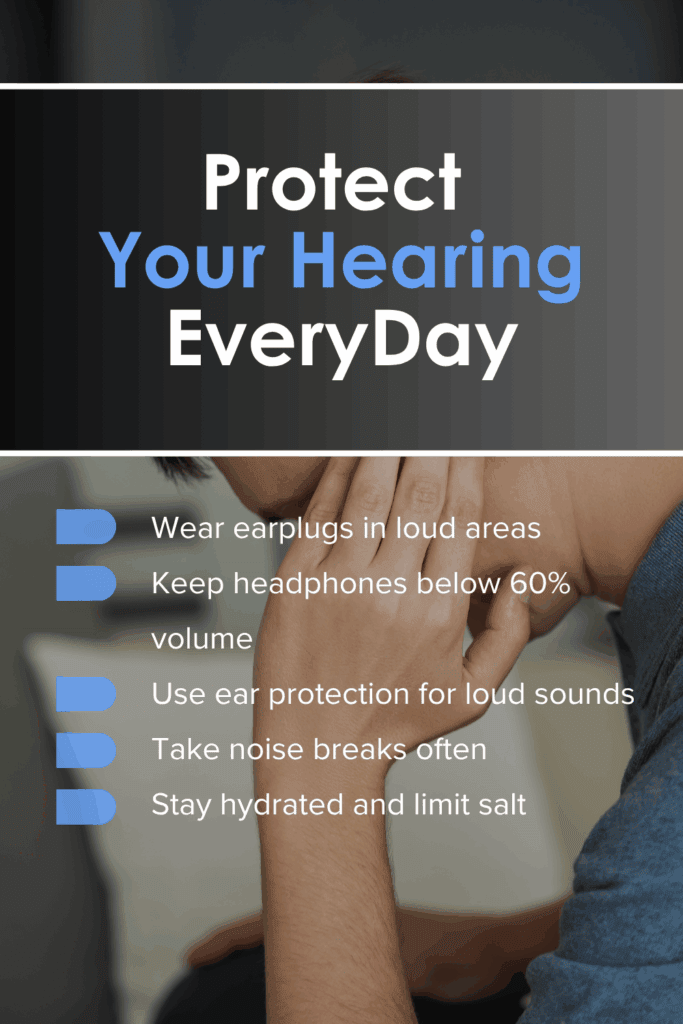
1. Wear Earplugs in Loud Areas
Whether you’re at a concert, working in a loud factory, or even mowing your lawn, prolonged exposure to high noise levels can cause permanent hearing damage.
Earplugs are small but powerful tools. Foam, silicone, or custom-fit earplugs can reduce sound intensity without blocking out life. Think of them as your invisible ear protectors. Keep a pair handy in your bag or car so you’re always prepared when noise levels spike.
Pro tip: Use reusable earplugs for daily commutes or gym sessions—they’re eco-friendly and comfortable.
2. Keep Headphones Below 60% Volume
We’ve all been tempted to turn the music up just a little louder, especially with noise-canceling headphones. But sound levels above 85 decibels can harm your hearing in less than an hour.
A simple rule? Follow the 60/60 rule—keep your volume under 60% and listen for no longer than 60 minutes at a time. Then, give your ears a rest.
If you often listen to podcasts or music while working, consider investing in over-ear headphones instead of earbuds—they distribute sound more evenly and reduce direct pressure on your eardrums.
3. Use Ear Protection for Loud Sounds
Ear protection isn’t just for construction workers or musicians—it’s for anyone who’s around loud sounds regularly. Whether you’re using power tools, attending sports games, or watching fireworks, noise exposure builds up over time.
Wearing earmuffs or professional-grade ear protectors can lower your risk of tinnitus (that ringing in your ears) and hearing fatigue. Remember, prevention is always easier than treatment.
4. Take Noise Breaks Often
Just like your body needs rest after exercise, your ears need quiet after noise exposure. Continuous sound, even at moderate levels, can tire your auditory system.
Every hour or two, step away from noisy environments for a few minutes of silence. These mini “ear breaks” allow your hearing cells to recover naturally.
If you work in a busy office or city, try using a white noise machine or soft background music to balance your sound exposure—it’s less stressful than harsh silence or constant noise.
5. Stay Hydrated and Limit Salt
This one might surprise you—your diet plays a role in ear health too! The inner ear relies on proper fluid balance to send sound signals to your brain. Dehydration or high salt intake can disrupt this balance and worsen tinnitus or hearing sensitivity.
Drink enough water daily and reduce excess salt, caffeine, and alcohol. You don’t have to cut them out completely—just keep things moderate. Add potassium-rich foods like bananas, oranges, and spinach to support your inner ear’s function naturally.
Bonus Tip: Manage Stress
Stress doesn’t just affect your mind—it can also amplify tinnitus and ear pressure. Practicing mindfulness, yoga, or deep breathing helps relax your nervous system, indirectly supporting better ear function.
A calm mind means calmer hearing.
Final Thoughts
Hearing protection isn’t something you think about once—it’s a daily habit. By wearing earplugs, controlling headphone volume, taking quiet breaks, and staying hydrated, you’re not just protecting your ears—you’re preserving your connection to life’s beautiful sounds.
So start today—turn the volume down a little, drink some water, and give your ears the care they deserve. Your future self will thank you. 💙