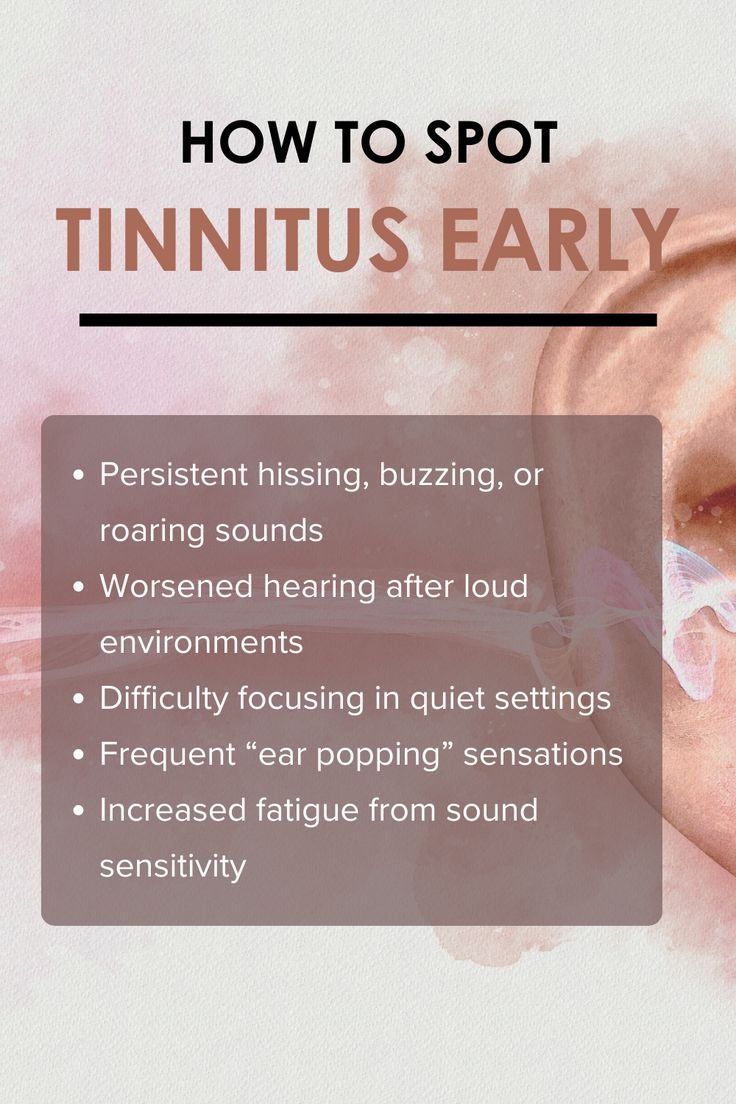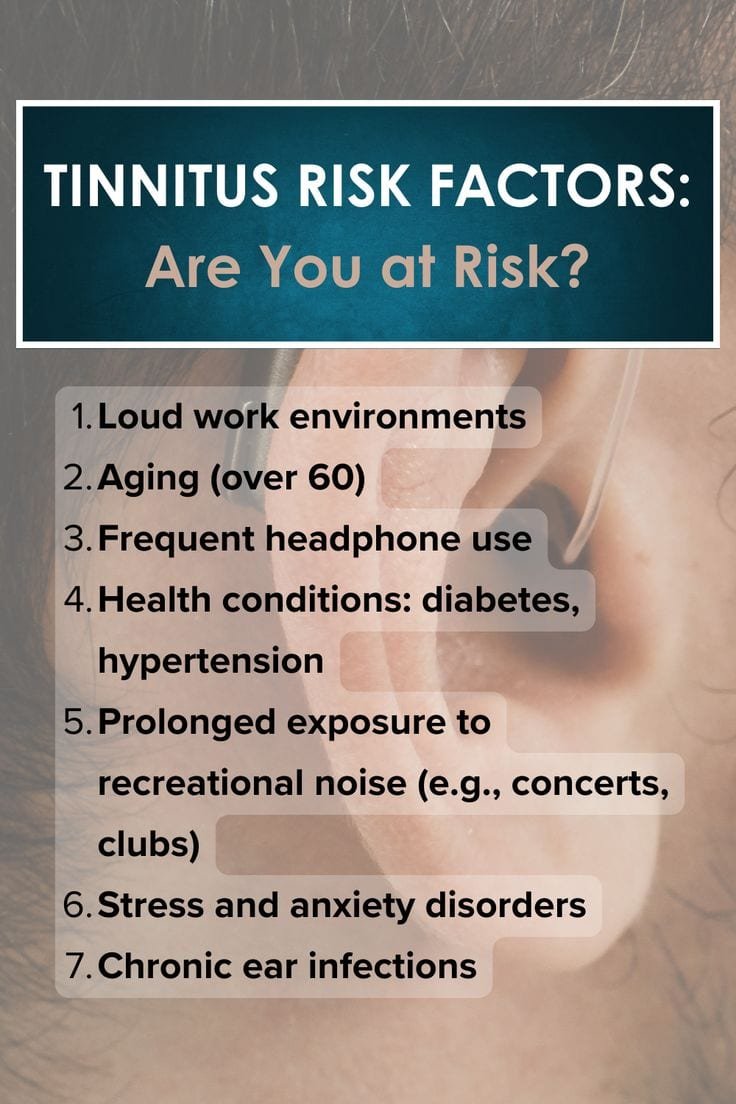
Tinnitus — that constant ringing, buzzing, or hissing sound — is often blamed on loud noise or aging. But sometimes, the real cause hides beneath the surface. Knowing these less common triggers can help you finally understand what’s happening in your body and get the right treatment sooner.
Here are five rare but real causes of tinnitus you might not have heard about — and what you can do if they sound familiar.
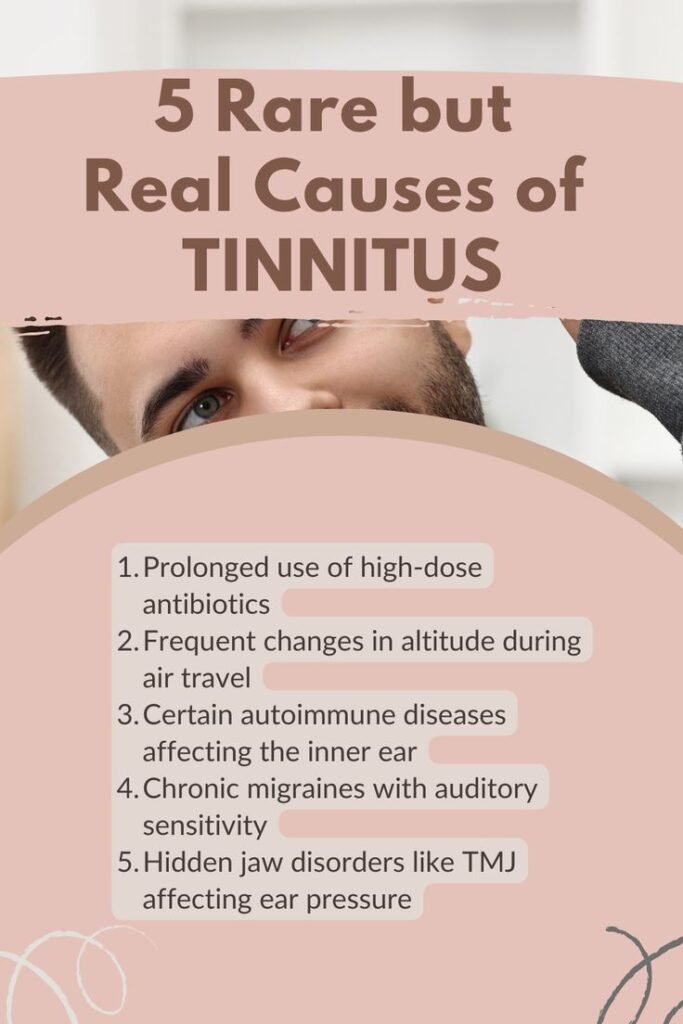
1. Prolonged Use of High-Dose Antibiotics
Certain antibiotics, especially those used for severe infections, can affect the inner ear’s delicate hair cells. These medications are known as ototoxic drugs — meaning they can damage hearing or balance functions when used over time.
If you’ve been on long-term antibiotics and noticed ringing in your ears, talk to your doctor about alternative options or protective supplements. Always avoid stopping medication on your own — but do discuss potential side effects early.
2. Frequent Changes in Altitude During Air Travel
If you travel often, those pressure changes during takeoff and landing can create stress inside your middle ear. Over time, this can lead to barotrauma — or pressure-related ear damage — that may trigger tinnitus.
Try swallowing, yawning, or using special earplugs for air travel to balance pressure. Staying hydrated also helps your Eustachian tubes function more smoothly.
3. Autoimmune Diseases Affecting the Inner Ear
Certain autoimmune conditions — like lupus or Ménière’s disease — can cause inflammation in the inner ear. This inflammation affects both hearing and balance, sometimes leading to chronic tinnitus.
If your ear symptoms come with joint pain, fatigue, or other autoimmune signs, a specialist (like an otolaryngologist) can run tests to identify any immune-related connection.
4. Chronic Migraines with Auditory Sensitivity
Did you know that migraines can affect your hearing too? People with vestibular migraines often experience tinnitus, dizziness, or even temporary hearing changes.
Tracking your migraine patterns can help. Reducing caffeine, improving sleep, and managing stress may ease both migraine intensity and ear ringing. If the link seems strong, migraine-specific medication could make a difference.
5. Hidden Jaw Disorders Like TMJ Affecting Ear Pressure
The jaw and ear are closely connected by nerves and muscles. So when something’s off with your temporomandibular joint (TMJ), it can create ear pressure or ringing.
If your tinnitus worsens when you chew, talk, or clench your jaw, it’s worth visiting a dentist or TMJ specialist. Simple adjustments like a night guard or jaw exercises can relieve both discomfort and tinnitus symptoms.
Final Thoughts: Listen to the Clues Your Body Gives You
Sometimes tinnitus is more than just “ringing in the ears.” It’s your body’s way of signaling something deeper. Whether it’s related to medication, migraines, or even jaw alignment, uncovering the real cause can make all the difference.
Don’t ignore the signs — talk to your healthcare provider and explore all possible causes. You might discover the key to lasting relief lies where you least expect it.
💡 Save this post to your Tinnitus Relief board — you never know who might need it!