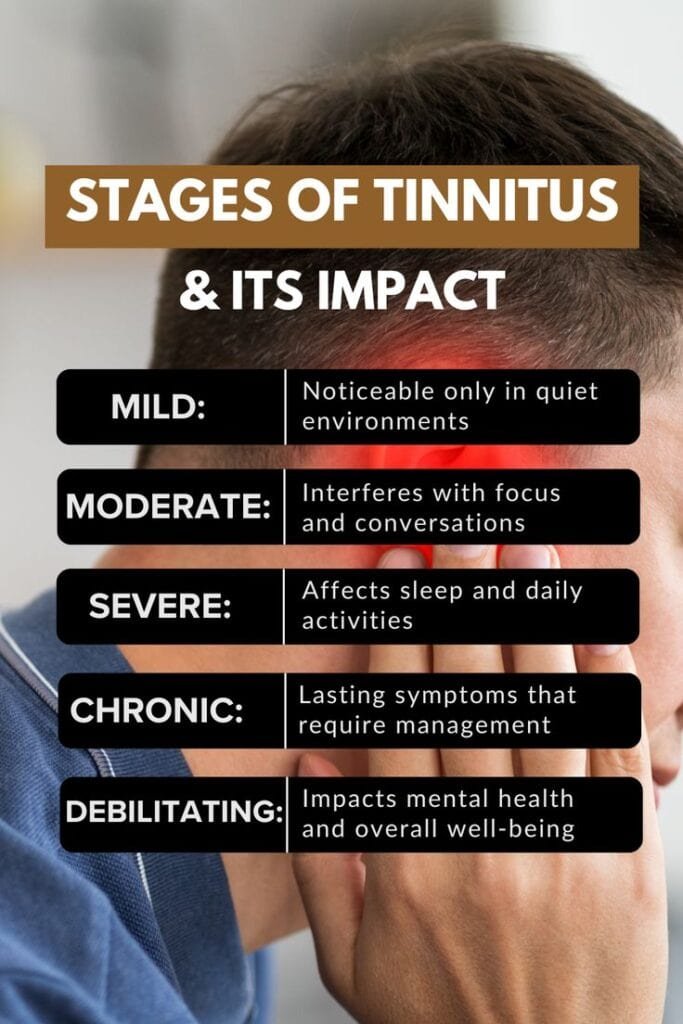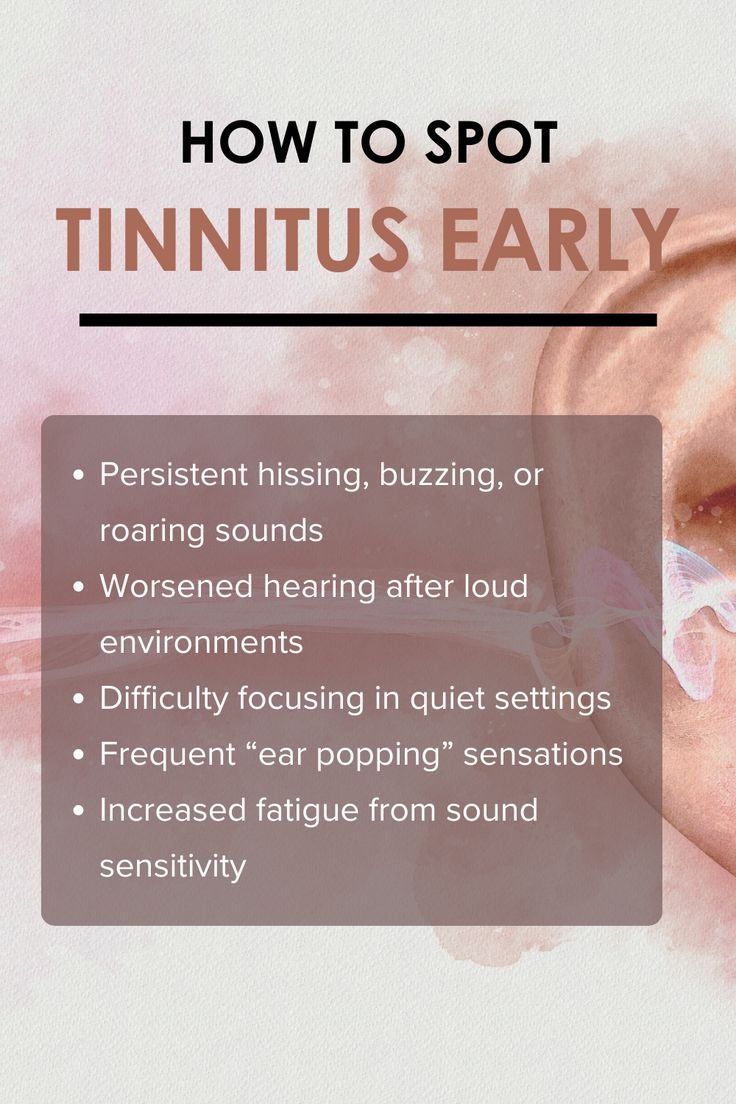
If you’ve ever heard a faint ringing or buzzing in your ears, you might have wondered if it’s a fleeting issue or something more serious. Tinnitus often starts subtly, but it can progress over time, impacting focus, daily activities, and even emotional well-being.
Understanding the stages of tinnitus progression is key to managing symptoms early and finding relief before it becomes overwhelming. Let’s walk through the five common stages and what they mean for you.
1. Occasional: Faint Noise in Quiet Settings
At this stage, the sound is light and usually only noticeable in silence, such as when lying in bed at night. It may feel like a mild annoyance rather than a problem.
👉 Tip: Pay attention to triggers like caffeine, dehydration, or stress, which can make these faint sounds more noticeable.
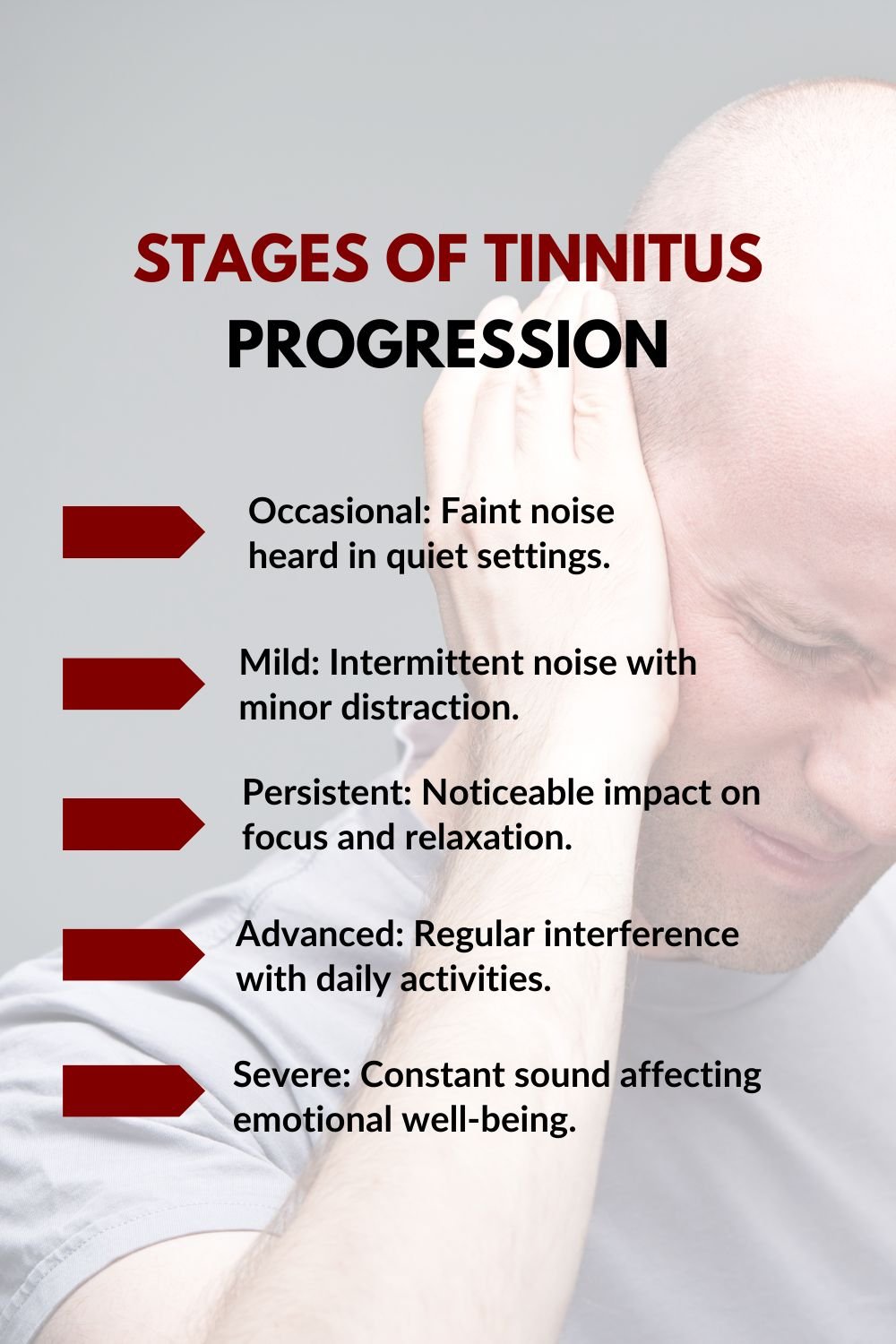
2. Mild: Intermittent Noise with Minor Distraction
Noise begins appearing more often, though it doesn’t usually interfere with daily activities. You might notice it when reading, working, or sitting in a quiet room.
👉 Tip: Try masking the sound with soft background noise like a fan, calming music, or a white noise app.
3. Persistent: Noticeable Impact on Focus and Relaxation
At this stage, tinnitus is no longer easy to ignore. The ringing or buzzing may affect your ability to concentrate or relax, especially during work or rest.
👉 Tip: Relaxation techniques such as deep breathing, yoga, or guided meditation can help reduce stress, which often intensifies tinnitus.
4. Advanced: Regular Interference with Daily Activities
Tinnitus becomes more disruptive, interfering with sleep, productivity, and conversations. Emotional strain may start to build, leading to frustration or irritability.
👉 Tip: Speak with a healthcare professional about treatment options, such as sound therapy, hearing aids, or lifestyle changes tailored to your needs.
5. Severe: Constant Sound Affecting Emotional Well-Being
At its most intense, tinnitus can feel overwhelming, leading to anxiety, poor sleep, and decreased quality of life. Support is often needed at this point.
👉 Tip: Counseling, support groups, and medical treatment can make a big difference in managing symptoms and restoring balance.
Final Thoughts
Tinnitus doesn’t progress the same way for everyone, but recognizing the stages can help you act early. From occasional faint noises to more severe interference, each stage deserves attention and care. By making small lifestyle changes and seeking support when needed, you can protect both your hearing and your peace of mind.
👉 Save this guide to your Tinnitus Health board and share it with someone who might need it today.