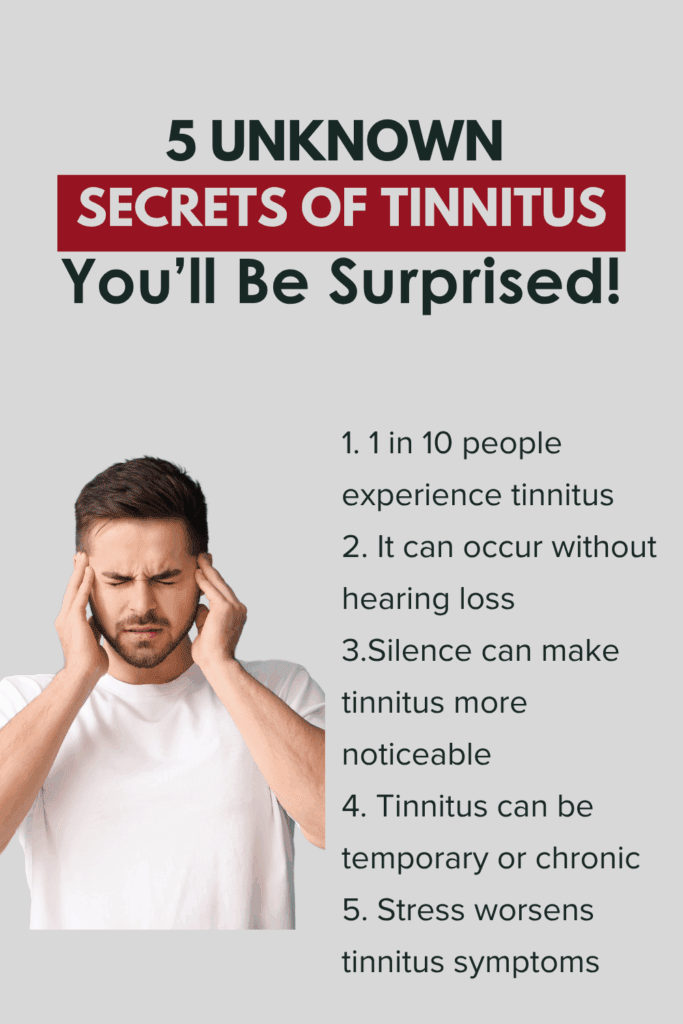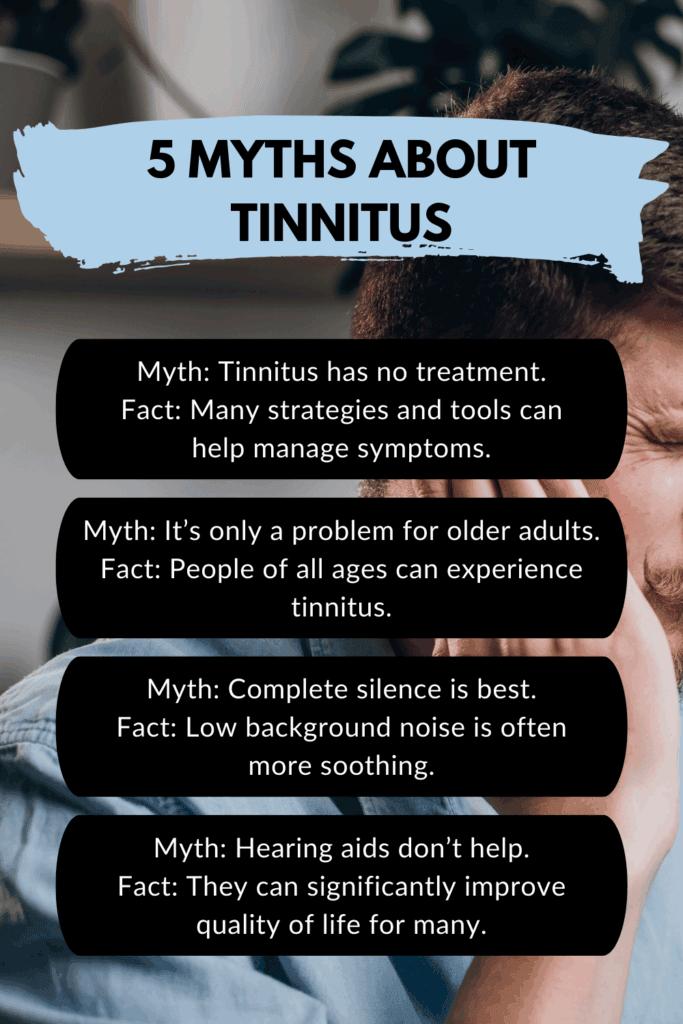
Tinnitus — that mysterious ringing, buzzing, or humming sound that no one else can hear — affects millions worldwide. But despite how common it is, there’s still a lot of confusion surrounding it. Many people assume tinnitus only happens to older adults or those with hearing loss, but that’s far from the full picture.
If you or someone you love experiences tinnitus, understanding it better is the first step toward managing it effectively. Here are five surprising facts about tinnitus that most people don’t know — and what they mean for your hearing health.
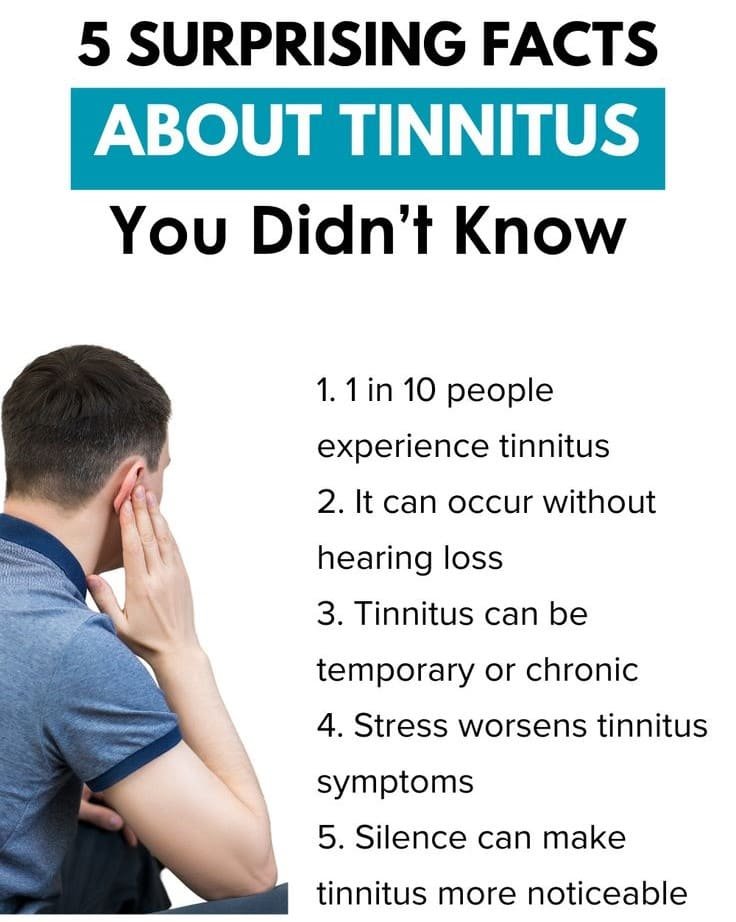
1. 1 in 10 People Experience Tinnitus
Tinnitus isn’t rare. In fact, research shows that about 10–15% of adults experience it at some point in their lives. For some, it’s temporary — lasting only a few hours after a loud concert or stressful event. For others, it becomes a chronic condition.
The good news? While tinnitus can feel isolating, you’re far from alone. With growing awareness and better treatment options, there’s more support available today than ever before.
💡 Helpful Tip: Keep a sound diary. Tracking when tinnitus appears and what you were doing at the time can reveal useful patterns — like certain foods, caffeine, or loud environments that make it worse.
2. It Can Occur Without Hearing Loss
Contrary to popular belief, tinnitus isn’t always linked to hearing loss. Many people with completely normal hearing still experience ringing sounds.
This can happen due to a range of factors — stress, medication side effects, sinus issues, or even neck and jaw tension. The auditory system is closely connected to the nervous system, so disruptions anywhere in the body can influence what your brain “hears.”
💡 Helpful Tip: If you experience tinnitus without hearing loss, try gentle stretching for your neck and shoulders, stay hydrated, and limit caffeine or alcohol — all of which can reduce nerve sensitivity.
3. Tinnitus Can Be Temporary or Chronic
Some tinnitus cases fade on their own within days or weeks, especially after short-term exposure to loud noise or an ear infection. However, when symptoms last for more than three months, they’re considered chronic.
Chronic tinnitus doesn’t always mean it will last forever — it just needs consistent care. Many people learn to retrain their brains through sound therapy, mindfulness, or cognitive behavioral therapy (CBT) so that the sound becomes less noticeable over time.
💡 Helpful Tip: Give your ears “quiet breaks” during the day. Step away from headphones and city noise regularly — balance is key, not total silence.
4. Stress Can Make Tinnitus Worse
Emotional tension is one of the strongest tinnitus triggers. When your body’s in fight-or-flight mode, your nervous system becomes hypersensitive — and your perception of sound increases.
That’s why tinnitus often spikes during anxiety, sleep deprivation, or burnout. Managing stress doesn’t just help your mind; it can also help your ears.
💡 Helpful Tip: Practice 5-minute breathing exercises before bed. Inhale deeply for 4 seconds, hold for 2, and exhale for 6. Calming the nervous system helps tone down tinnitus intensity.
5. Silence Can Make Tinnitus More Noticeable
This might sound strange, but complete silence can actually make tinnitus sound louder. When there’s no external noise, your brain amplifies internal signals — including the ringing or buzzing in your ears.
That’s why background sounds, like soft music or nature audio, can be so helpful. They don’t “cure” tinnitus, but they give your brain something else to focus on.
💡 Helpful Tip: Try white noise or ocean wave apps when sleeping. Gentle background sound can mask tinnitus and help you relax more easily.
Final Thoughts: Awareness Is the First Step Toward Relief
Tinnitus isn’t just an ear issue — it’s a whole-body signal that your system needs attention. Understanding the facts helps you take control rather than feeling controlled by the sound.
By managing stress, protecting your ears, and using sound therapy wisely, you can quiet the noise and reclaim your peace of mind. Remember, small daily habits often make the biggest difference.
💡 Pin this post to your “Tinnitus Facts & Relief Tips” board — and share it to help others understand they’re not alone.