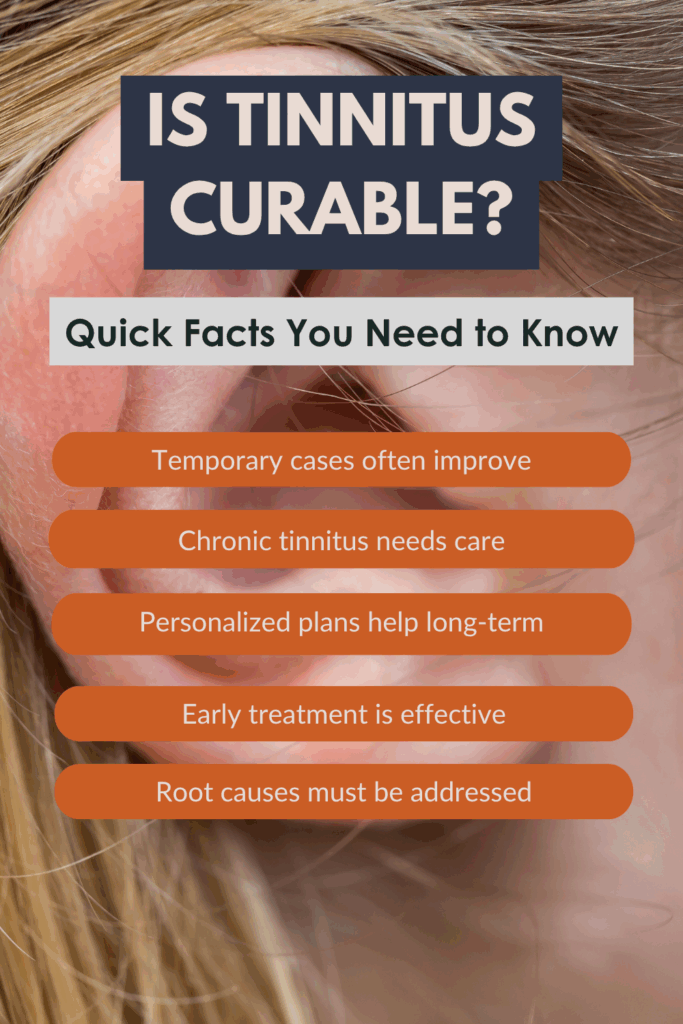
If you live with ringing, buzzing, or humming in your ears, you’re not alone — tinnitus affects millions worldwide. While it’s not always curable, smart daily habits can make a big difference in how you manage it. Knowing what to do and what to avoid can help protect your hearing, reduce flare-ups, and bring more calm to your day.
Here’s a friendly guide to the key do’s and don’ts of tinnitus care — practical, easy, and rooted in everyday lifestyle changes.
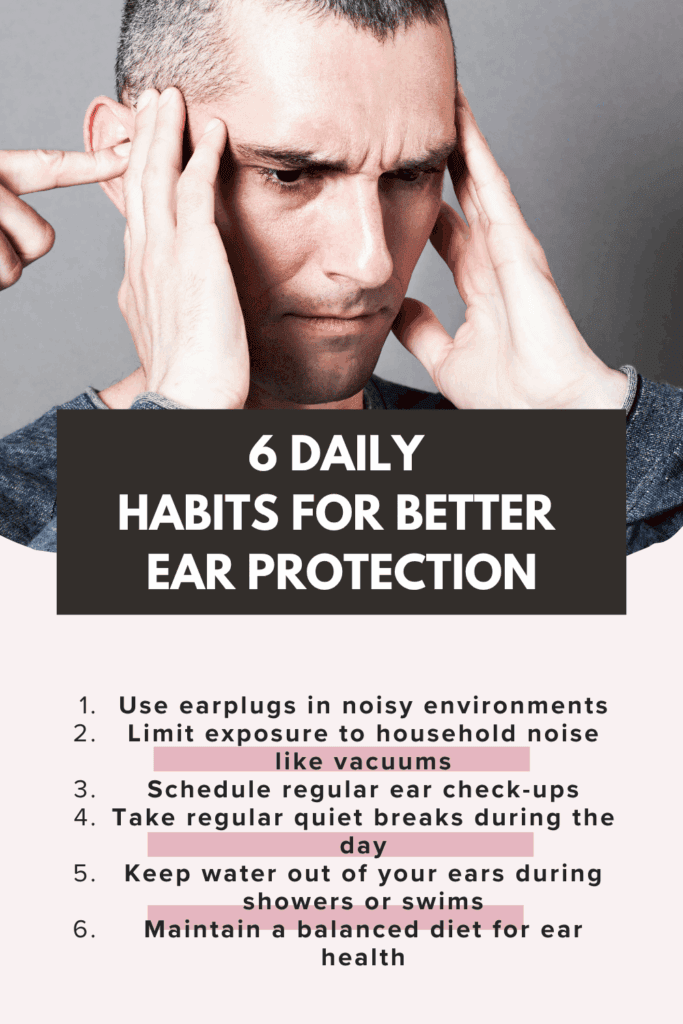
Do: Use Ear Protection in Noisy Settings
Noise exposure is one of the leading causes of tinnitus. Even short bursts of loud sound can strain your ear’s tiny hair cells, leading to lasting damage.
What to do:
-
Carry earplugs when attending concerts, sporting events, or using loud machinery.
-
Choose noise-canceling headphones to reduce volume needs.
-
Give your ears regular “quiet breaks” during long listening sessions.
Do: Eat Nutrient-Rich Meals
Your diet plays a huge role in ear and nerve health. Nutrients like magnesium, zinc, and vitamin B12 support proper auditory function and may ease tinnitus intensity.
Healthy swaps:
-
Add leafy greens, bananas, and nuts for magnesium.
-
Include fish, eggs, and whole grains for B12 and zinc.
-
Limit salt and processed food — both can affect inner ear circulation.
Do: Get Regular Hearing Check-Ups
Sometimes tinnitus signals an underlying hearing issue or earwax buildup. Routine check-ups help detect problems early before they become chronic.
Schedule hearing exams annually or sooner if your tinnitus worsens or you notice changes in hearing clarity.
Do: Stay Hydrated Daily
Ear health depends on good hydration. When the body lacks water, inner ear fluid balance can shift, amplifying ringing sensations.
Tip: Keep a reusable water bottle nearby, especially if you consume caffeine or alcohol, as both can dehydrate you faster.
Do: Manage Blood Pressure Levels
High blood pressure can intensify tinnitus symptoms by increasing pressure in the delicate blood vessels around the inner ear.
Support circulation naturally by maintaining a balanced diet, exercising regularly, and practicing relaxation habits like deep breathing or yoga.
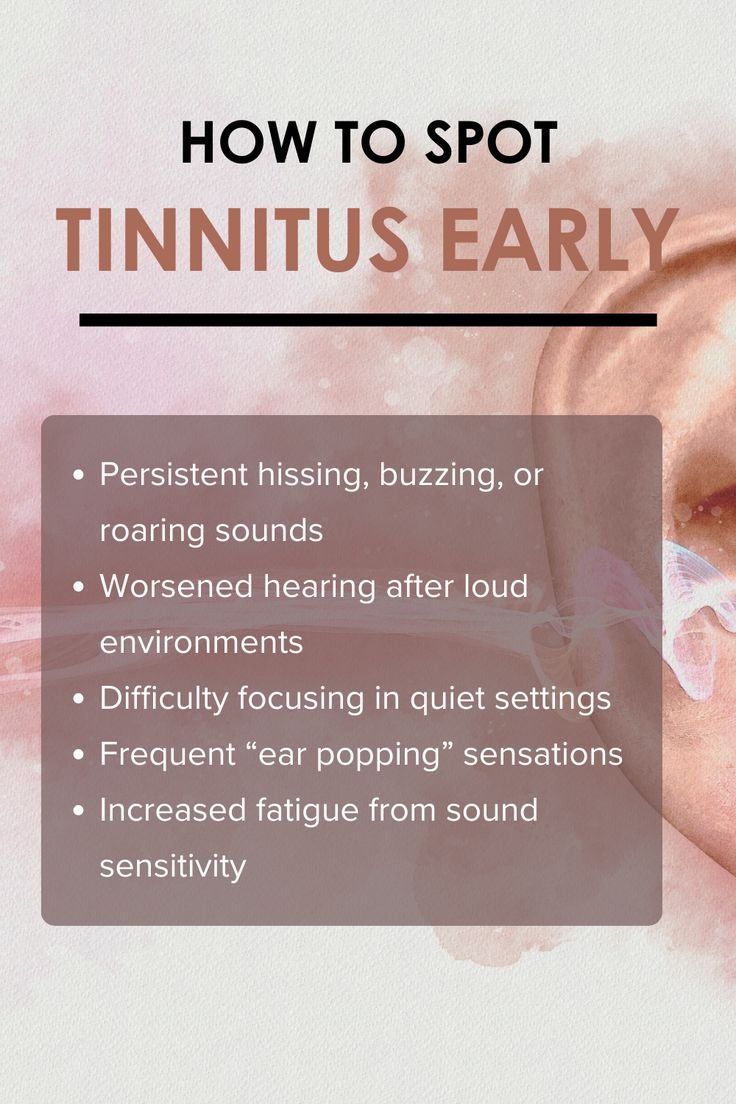
Don’t: Ignore Persistent Symptoms
If your tinnitus lasts more than a few days or seems to worsen, don’t brush it off. Persistent ringing could point to hearing loss, infection, or even medication side effects. Always consult an ENT or audiologist for guidance.
Don’t: Use High-Volume Headphones
Blasting music may offer temporary distraction but causes long-term harm. Keep your headphone volume below 60% and take breaks every hour.
Your ears need recovery time just like your muscles after a workout.
Don’t: Skip Specialist Visits
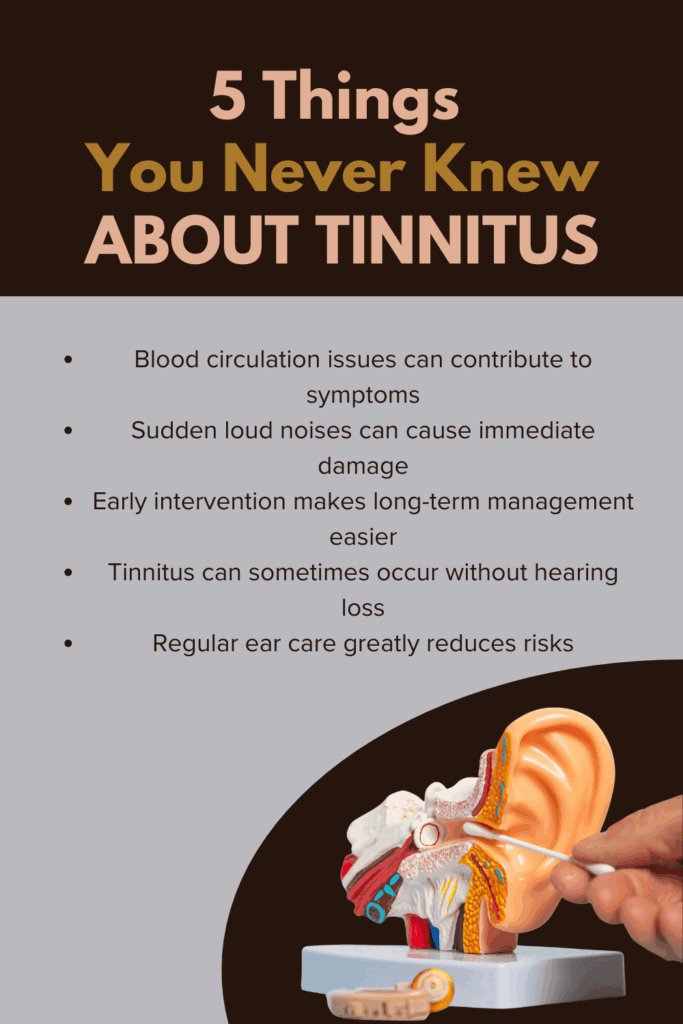
Regular visits to an ear specialist can help monitor your progress, suggest hearing aids if needed, and rule out underlying conditions. Early intervention can prevent symptoms from escalating.
Don’t: Make Sudden Head Movements
Quick or jerky head motions can sometimes worsen tinnitus by triggering inner ear imbalances. Move gently, especially when getting up from lying down or turning quickly.
Final Thoughts
Tinnitus care is about balance — between protecting your ears and supporting your body’s natural healing systems.
By following these simple do’s and don’ts, you’re giving your ears the best chance to recover and thrive.
Pin this guide to revisit anytime you need a reminder — and take small, steady steps toward calmer, clearer hearing.