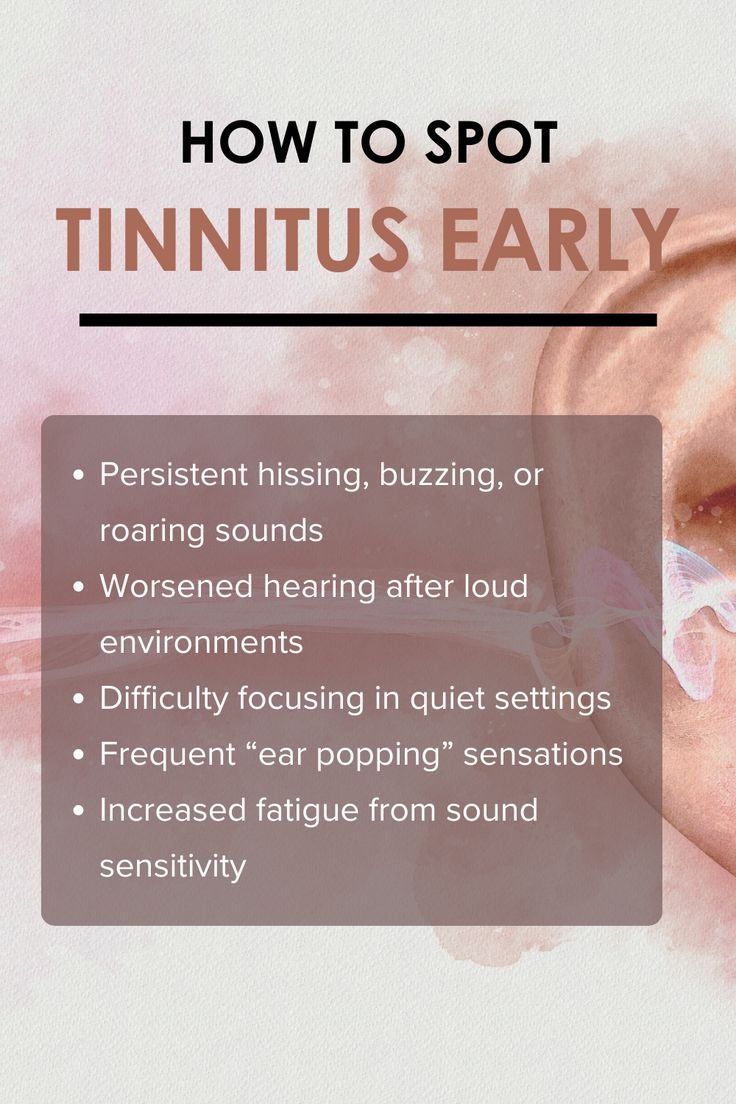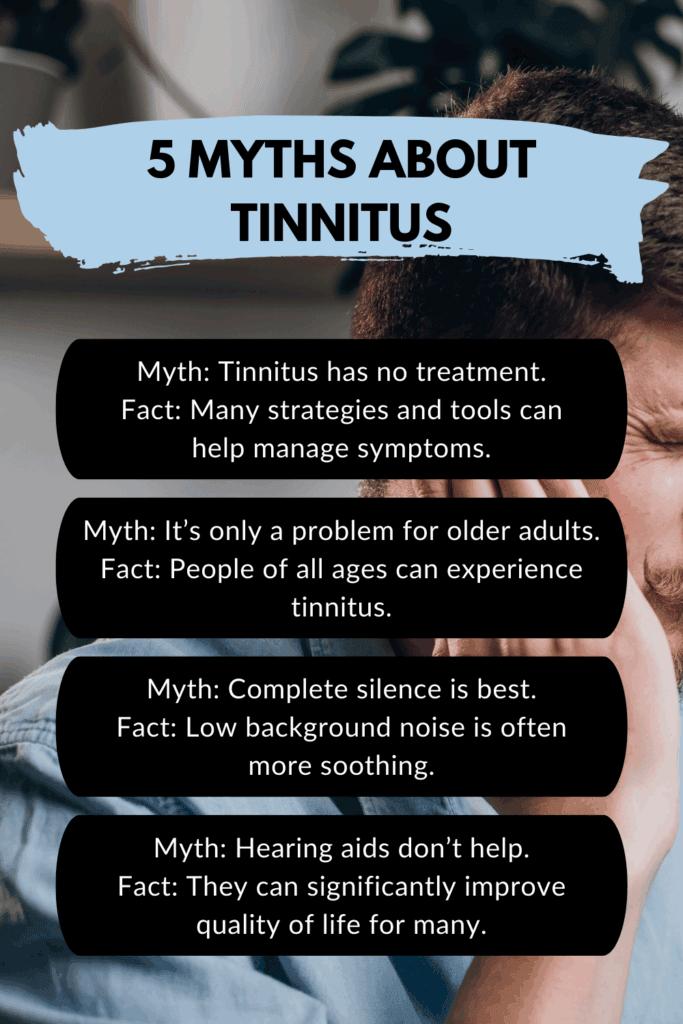
If you’ve ever experienced that persistent ringing, buzzing, or humming in your ears, you already know how distracting tinnitus can be. While there’s no universal cure, the way you care for your ears and your daily habits can make a big difference in how manageable your symptoms feel.
That’s why understanding the do’s and don’ts of tinnitus care is so important. In this guide, we’ll cover the best protective steps you can take, as well as the common mistakes to avoid, so you can support your hearing health with confidence.
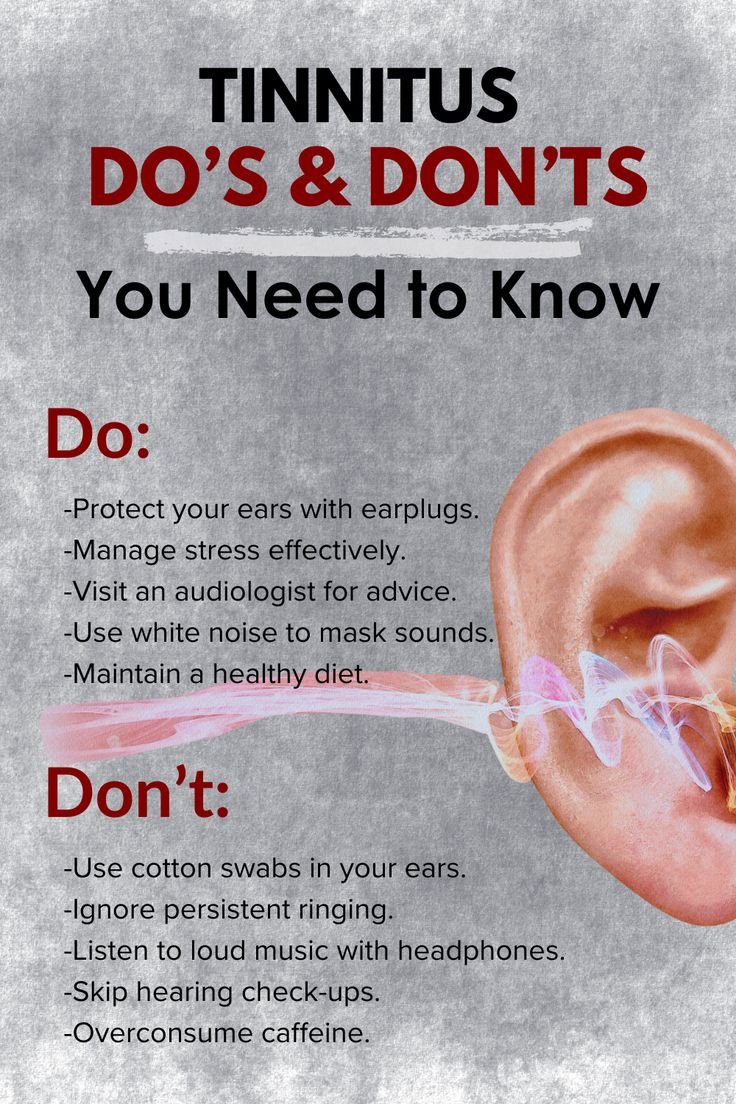
✅ Do: Protect Your Ears in Noisy Environments
Loud sounds are one of the leading causes of tinnitus flare-ups. Whether it’s concerts, construction zones, or even busy traffic, noise exposure can worsen symptoms.
👉 Tip: Always keep a pair of earplugs in your bag so you’re prepared.
✅ Do: Stay Hydrated for Ear Health
Believe it or not, dehydration can affect circulation and inner ear function. Drinking enough water each day helps keep your body — and your ears — in balance.
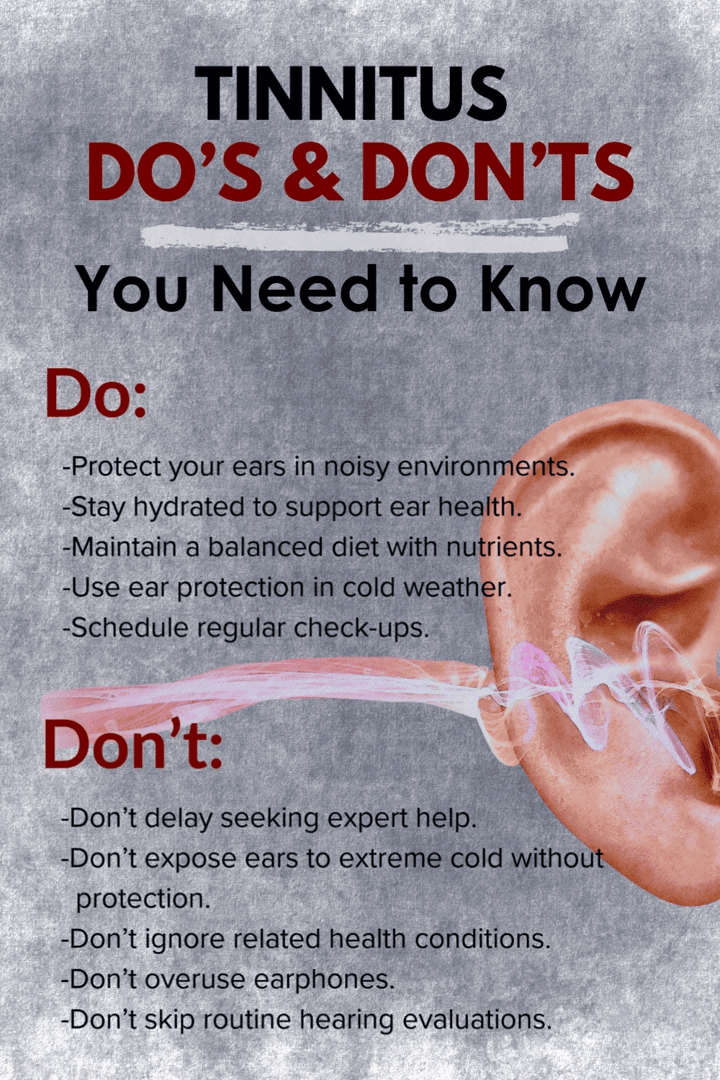
✅ Do: Maintain a Balanced Diet with Nutrients
Foods rich in magnesium, zinc, and antioxidants support both circulation and overall ear health. Think leafy greens, nuts, citrus fruits, and oily fish.
✅ Do: Use Ear Protection in Cold Weather
Cold wind can cause ear discomfort and, for some, trigger ringing. Cover your ears with a hat, headband, or earmuffs during winter walks or outdoor activities.
✅ Do: Schedule Regular Check-Ups
An audiologist can track changes in your hearing and provide tailored guidance. Routine check-ups make sure small issues don’t become bigger problems.
❌ Don’t: Delay Seeking Expert Help
If ringing is persistent, don’t wait months before consulting a professional. Early support can prevent complications and ease symptoms.
❌ Don’t: Expose Ears to Extreme Cold Without Protection
Just as loud sounds can harm your ears, so can prolonged exposure to icy winds. Never leave ears unprotected in harsh conditions.
❌ Don’t: Ignore Related Health Conditions
High blood pressure, diabetes, and even jaw issues can contribute to tinnitus. Managing overall health often improves ear health, too.
❌ Don’t: Overuse Earphones
Hours of listening at high volume is tough on your ears. Follow the 60/60 rule — keep volume at 60% or less for no more than 60 minutes at a stretch.
❌ Don’t: Skip Routine Hearing Evaluations
Hearing loss and tinnitus often go hand-in-hand. Regular hearing tests catch changes early, giving you more options for treatment and prevention.
Final Thoughts
Tinnitus may feel frustrating, but small lifestyle choices can ease its impact. By following the right do’s — like protecting your ears, staying hydrated, and checking in with an audiologist — and avoiding the key don’ts, you’ll be supporting your ear health in the best way possible.
👉 Pin this guide for later, and start making one positive change today. Your ears will thank you.