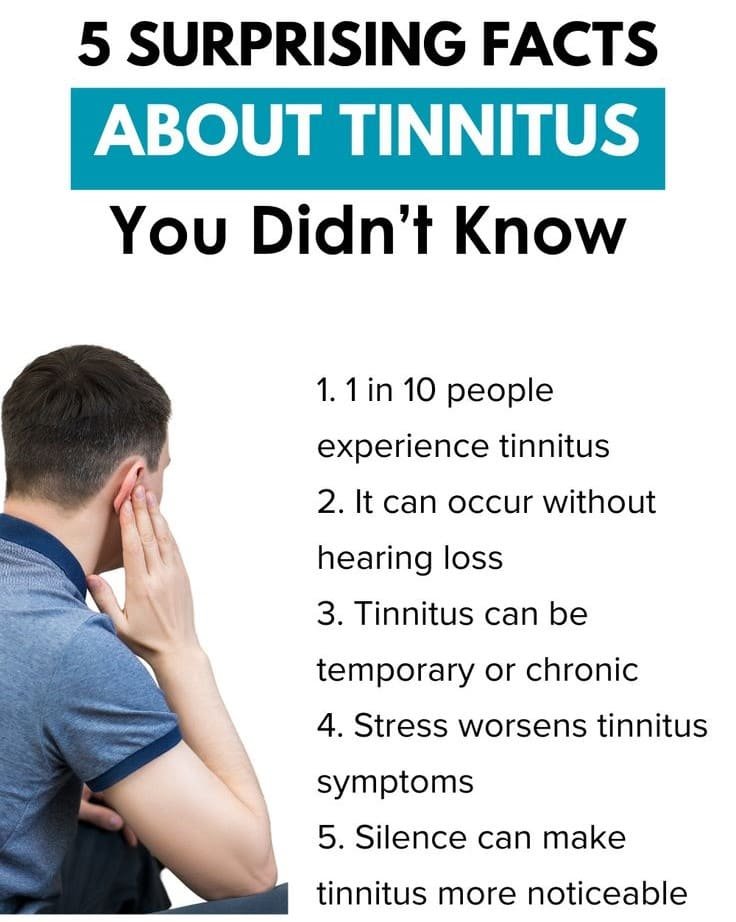
Ever noticed a ringing or buzzing in your ears that doesn’t seem to go away? That’s tinnitus — and while it’s not a disease itself, it can be a signal that your ears are under stress. Millions of people experience it, especially those exposed to loud noise or dealing with certain health conditions.
In this post, we’ll explore the most common tinnitus risk factors, how they affect your hearing, and what you can do to protect your ears from further damage.
🎧 1. Loud Work Environments
If you work in construction, factories, or any setting with constant loud machinery, you’re more exposed to hearing damage. Prolonged exposure to sounds above 85 decibels can damage the delicate hair cells in your inner ear — the same ones that help detect sound.
👉 What to do: Always wear ear protection such as foam earplugs or noise-canceling earmuffs. Even short breaks from noise can help your ears recover.
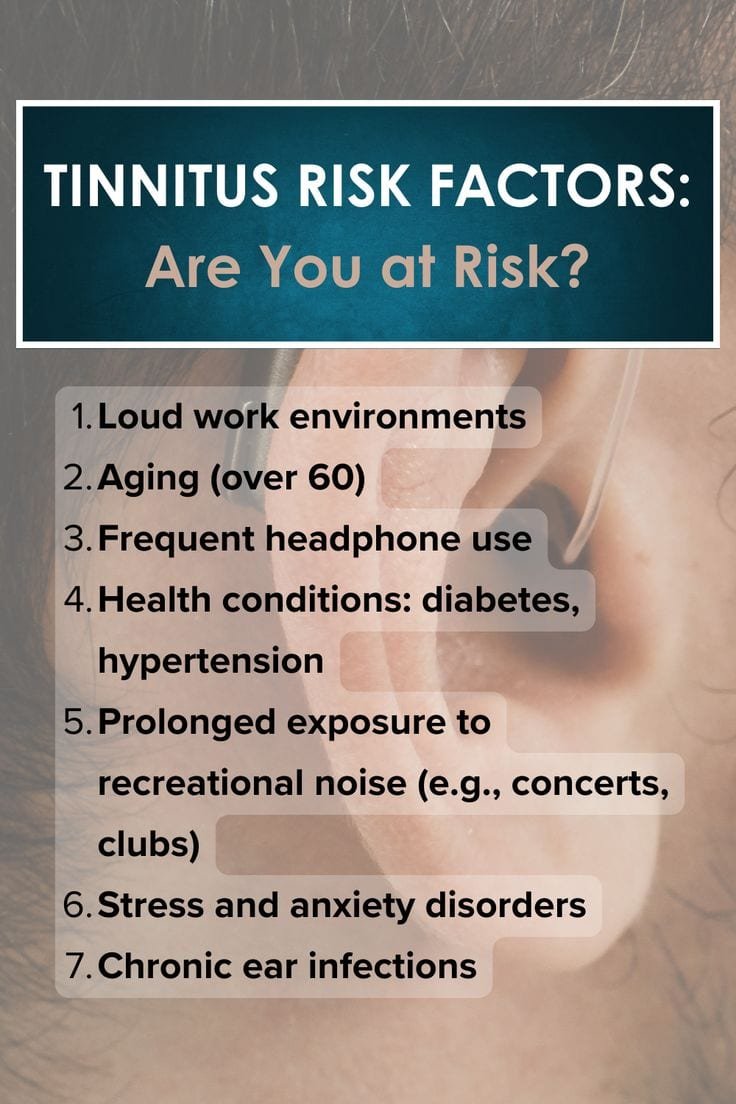
👵 2. Aging (Over 60)
As we age, our hearing naturally declines due to the wear and tear of inner ear structures. This can lead to age-related hearing loss (presbycusis), a common cause of tinnitus.
👉 What to do: Schedule regular hearing tests after age 60. A simple check-up can catch early hearing loss and prevent tinnitus from worsening.
🎧 3. Frequent Headphone Use
Listening to music at high volumes for long periods can cause temporary or permanent hearing damage. Modern headphones and earbuds deliver sound directly into the ear canal, which amplifies the risk.
👉 What to do: Follow the 60/60 rule — listen at 60% volume for no more than 60 minutes at a time. Give your ears time to rest.
❤️ 4. Health Conditions: Diabetes & Hypertension
Chronic illnesses like diabetes and high blood pressure can restrict blood flow to the auditory system. Poor circulation reduces oxygen to the inner ear, increasing the risk of tinnitus and hearing loss.
👉 What to do: Keep your blood sugar and blood pressure in check through diet, exercise, and medical supervision.
🎶 5. Prolonged Exposure to Recreational Noise
Loud concerts, nightclubs, and even sports events can harm your hearing more than you realize. One night of excessive noise exposure can trigger temporary tinnitus — and repeated exposure makes it permanent.
👉 What to do: Carry earplugs to concerts or limit time spent near speakers. Your future hearing will thank you!
🧘 6. Stress and Anxiety Disorders
Stress doesn’t just affect your mood — it can also intensify tinnitus symptoms. The brain’s reaction to stress increases awareness of internal sounds, making the ringing more noticeable and harder to ignore.
👉 What to do: Try mindfulness, deep breathing, or gentle exercise. Relaxation techniques can make tinnitus less intrusive.
👂 7. Chronic Ear Infections
Recurring ear infections or fluid buildup can damage the eardrum and middle ear, leading to temporary or chronic tinnitus. In severe cases, untreated infections may even cause partial hearing loss.
👉 What to do: Avoid inserting cotton swabs or objects into your ears. If you notice recurring infections, consult an ENT specialist early.
🌿 Protecting Your Ears for the Long Run
Tinnitus may not have a cure, but prevention and awareness go a long way. Reducing noise exposure, managing health conditions, and lowering stress levels can significantly ease symptoms.
Remember, your ears don’t heal easily — so treat them with care.
💡 Save this post for later and share it with someone who needs to protect their hearing, too!